
Why Roofs Leak: 9 Problems That Need Attention

A water spot on the ceiling rarely sits directly below the problem. Water can enter near a ridge, pipe, or flashing detail, then travel along roof decking or framing before it shows up indoors. That is one reason why roofs leak can be difficult to pinpoint without a careful inspection. The good news is that many leaks begin as localized issues. Finding them early can prevent damaged insulation, stained drywall, mold growth, and costly structural repairs.
Why Roofs Leak Even When Shingles Look Fine
A roof is not one solid surface. It is a system made up of shingles or panels, underlayment, flashing, vents, pipe boots, fasteners, gutters, and the roof deck underneath. A leak can start when one small component fails, even when most of the roof still appears to be in decent shape from the ground.
Age matters, but it is not the only factor. Northern California roofs deal with strong sun, seasonal rain, wind, tree debris, and temperature swings. A newer roof can leak if a flashing detail was installed incorrectly, while an older roof may stay dry when it has been maintained well. The real question is not just how old the roof is. It is where water is getting past the roof’s protective layers.
1. Damaged, Missing, or Lifted Shingles
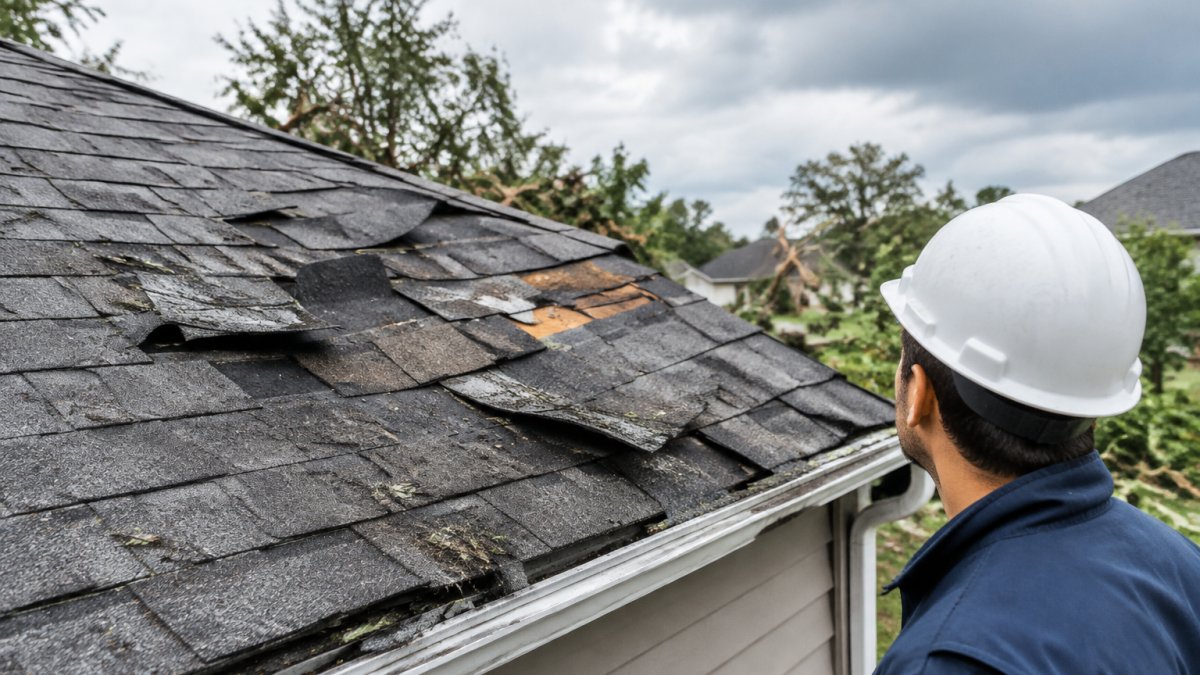
Shingles are the first line of defense on many homes. Wind can lift their edges, loosen nails, or tear shingles away entirely. Once the seal between shingles is broken, wind-driven rain can work underneath the roofing material and reach the underlayment or decking.
Look for curled corners, cracked tabs, bare spots where granules have worn away, and shingles lying in the yard after a storm. A single missing shingle does not always mean the entire roof needs replacement, but it should not be ignored. Prompt repair can keep a small opening from becoming a larger area of wood rot.
2. Failed Flashing Around Roof Transitions
Flashing is the metal material installed where the roof meets a wall, chimney, skylight, valley, or other transition. These areas are especially vulnerable because water naturally concentrates there. Proper flashing directs water back onto the roof surface instead of letting it work behind the shingles.
Flashing can leak when it rusts, bends, separates from a wall, or was installed with too much exposed sealant and not enough proper overlap. Caulk may provide a temporary patch in some situations, but it is not a dependable substitute for correctly installed flashing. If a leak appears near a chimney or exterior wall, the flashing deserves close attention.
3. Cracked Pipe Boots and Vent Seals
Plumbing vent pipes pass through the roof, and each penetration needs a watertight boot or flashing collar. Rubber and neoprene pipe boots can dry out, split, and pull away over time, especially after years of sun exposure. The damage may be small, but it creates a direct path for rainwater.
This type of leak often shows up as a stain in a bathroom, hallway, or closet near the center of the home. Because the pipe itself looks intact, homeowners sometimes assume it is a plumbing leak. A roofing inspection can determine whether the water is coming from above or from a pipe inside the home.
4. Clogged or Mismanaged Gutters
Gutters do more than keep water from pouring over an entryway. They move roof runoff away from fascia boards, siding, landscaping, and the foundation. When gutters are clogged with leaves, pine needles, or roof granules, water can back up under the lower edge of the roof.
Overflowing gutters can also rot the fascia board that supports them. If the gutter begins to pull away, water may enter behind it and damage the roof edge. Cleaning helps, but gutter slope, secure attachment, and properly placed downspouts also matter. A gutter system that cannot handle the roof’s runoff will keep creating trouble during heavy rain.
5. Worn Valleys and Roof-to-Wall Areas
A roof valley is where two roof slopes meet. It handles a high volume of water, so it needs careful installation and regular inspection. Debris tends to gather in valleys, holding moisture against the roofing material and slowing drainage. Damaged shingles, cracked sealant, or exposed fasteners in a valley can quickly become a leak.
Roof-to-wall areas have similar risks. Water should be directed onto the roof with step flashing and counterflashing, not allowed to run behind siding or trim. These details are easy to overlook from the ground, yet they are among the most common causes of persistent, hard-to-find leaks.
6. Skylight Problems
A skylight should bring natural light into a room, not rainwater. Leaks around skylights are often blamed on the glass, but the source is usually the flashing, surrounding shingles, or deteriorated seal around the unit. Condensation can also be mistaken for a roof leak, especially in bathrooms or rooms with limited ventilation.
The repair depends on the condition of the skylight and the roofing around it. Sometimes a flashing repair is enough. In other cases, an aging or failed skylight should be replaced while the surrounding roof is being repaired to avoid reopening the same area later.
7. Punctures, Loose Fasteners, and Storm Damage
Branches, falling debris, foot traffic, and wind can puncture roofing materials or loosen fasteners. On a shingle roof, even a small puncture can expose the underlayment. On metal roofing, loose screws or worn washer seals can allow water through at fastener locations. A fastener that has backed out slightly may be enough to create a leak during wind-driven rain.
After a storm, inspect the property from the ground for obvious debris, displaced materials, or damaged gutters. Do not climb onto a wet or steep roof. A professional can inspect the surface safely and identify damage that is not visible from below.
8. Ponding Water on Flat or Low-Slope Roofs
Commercial buildings and some residential structures use low-slope roofing systems, including TPO. These roofs do not shed water as quickly as steep shingle roofs, so drainage design and membrane condition are critical. Water that remains on the surface for long periods can expose weak seams, failed penetrations, and areas where the membrane has been damaged.
Ponding water is not always an emergency after every rainfall, but water that remains for days deserves attention. The solution may involve cleaning drains, repairing a seam, improving slope, or addressing insulation beneath the membrane. The right repair depends on what is causing the water to remain in place.
9. Aging Underlayment and Roof Decking
Underlayment is the protective layer beneath shingles, metal panels, or other roofing materials. Once water reaches it repeatedly, underlayment can deteriorate and roof decking can soften or rot. At that point, replacing a few surface shingles may not solve the full problem.
Signs of deck damage can include a sagging roofline, soft spots, recurring leaks in the same area, or visible staining in the attic. A thorough inspection should check both the exterior roof surface and accessible attic areas. This helps distinguish a simple repair from a problem that requires removal of damaged materials and replacement of compromised decking.
What to Do When You Notice a Roof Leak
Start by protecting the interior. Move furniture and electronics away from the affected area, place a container under active drips, and photograph stains or visible water damage for your records. If water is causing a ceiling to bulge, stay clear of it. A water-filled ceiling can collapse without warning.
Then schedule an inspection as soon as conditions allow. Avoid relying on a bucket as a long-term plan or applying roof cement to a spot you cannot safely diagnose. Water may be entering several feet away from where it appears inside. An experienced roofer can trace the likely path, inspect vulnerable components, and explain whether a targeted repair or larger replacement is the better value.
For property owners in Lake County and nearby Northern California communities, Hurtado's Roofing approaches leak repairs the practical way: inspect the full system, explain what failed, and recommend the work that will hold up. Sometimes that means a localized repair. Sometimes repeated leaks, widespread wear, or damaged decking make replacement the more responsible choice.
A roof leak is not always a sign of total roof failure, but it is always a reason to act. Addressing the first stain, loose shingle, or overflowing gutter gives you the best chance to protect the structure beneath it - every SHINGLE time.


Comments