10 Clear Signs You Need Roof Replacement Now

A roof rarely fails all at once. More often, a small water stain appears after a hard rain, a few shingles turn up along the ridge, or granules start collecting in the gutter. Knowing the signs you need roof replacement can help you act before a manageable roofing project becomes damaged decking, mold, or a disruption inside your home or business.
In Northern California, roofs deal with intense summer sun, seasonal rain, wind, tree debris, and changing temperatures. A roof that looks acceptable from the driveway may still have weak points around flashing, valleys, pipe boots, or low-slope areas. Here are 10 warning signs worth taking seriously.
10 Signs You Need Roof Replacement
1. Your roof is near or beyond its expected service life
Age does not automatically mean replacement, but it is a practical place to start. Many asphalt shingle roofs last roughly 20 to 30 years, depending on the shingle quality, ventilation, installation, maintenance, and weather exposure. Metal roofing can last longer, while flat commercial roofing systems have their own expected life span based on the material and installation details.
If your roof is approaching the end of its expected life and repairs are becoming more frequent, replacement may be the better long-term investment. A professional inspection can show whether the roof still has useful life left or whether its protective layers are beginning to fail across the whole surface.
2. Shingles are curling, cracking, or missing
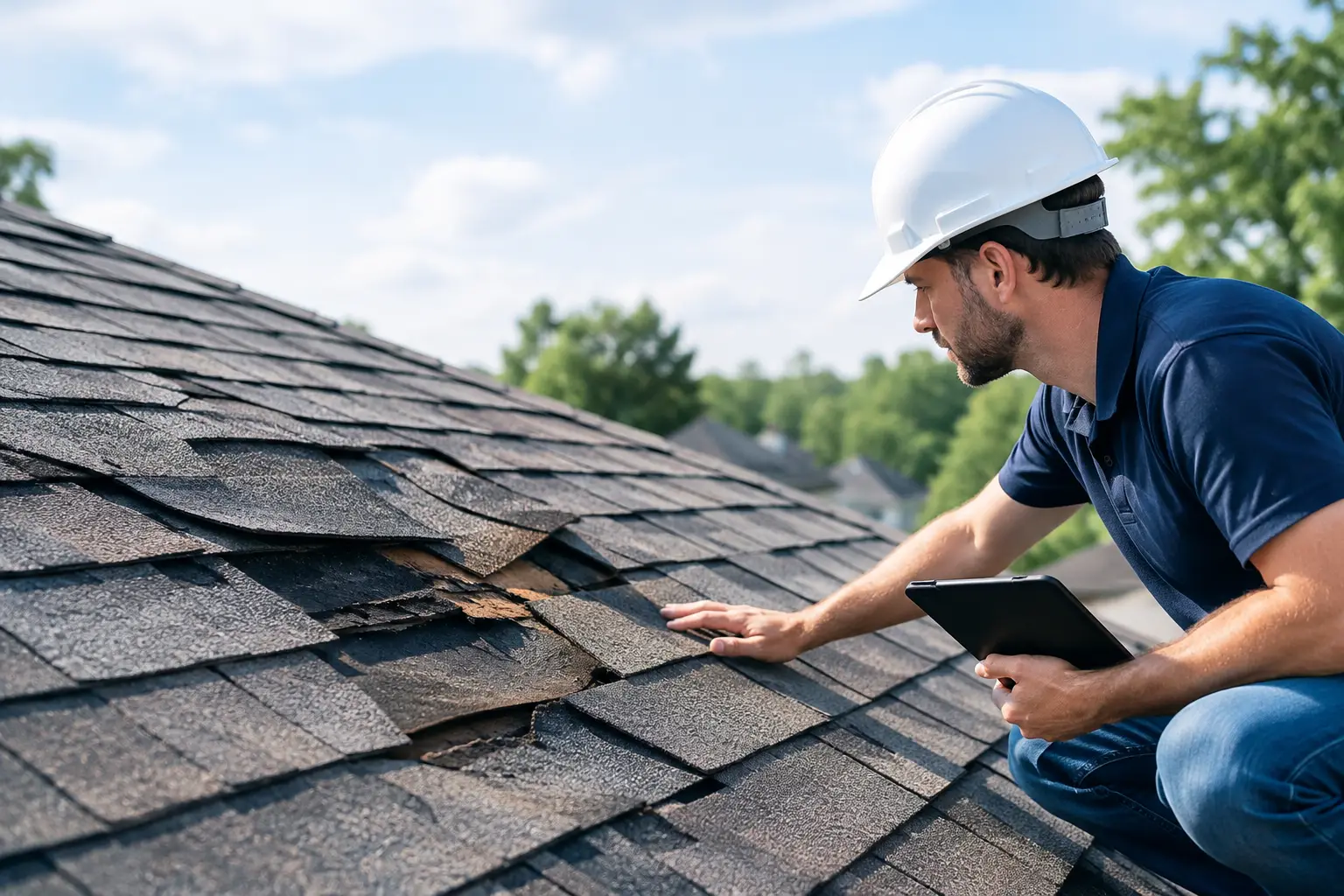
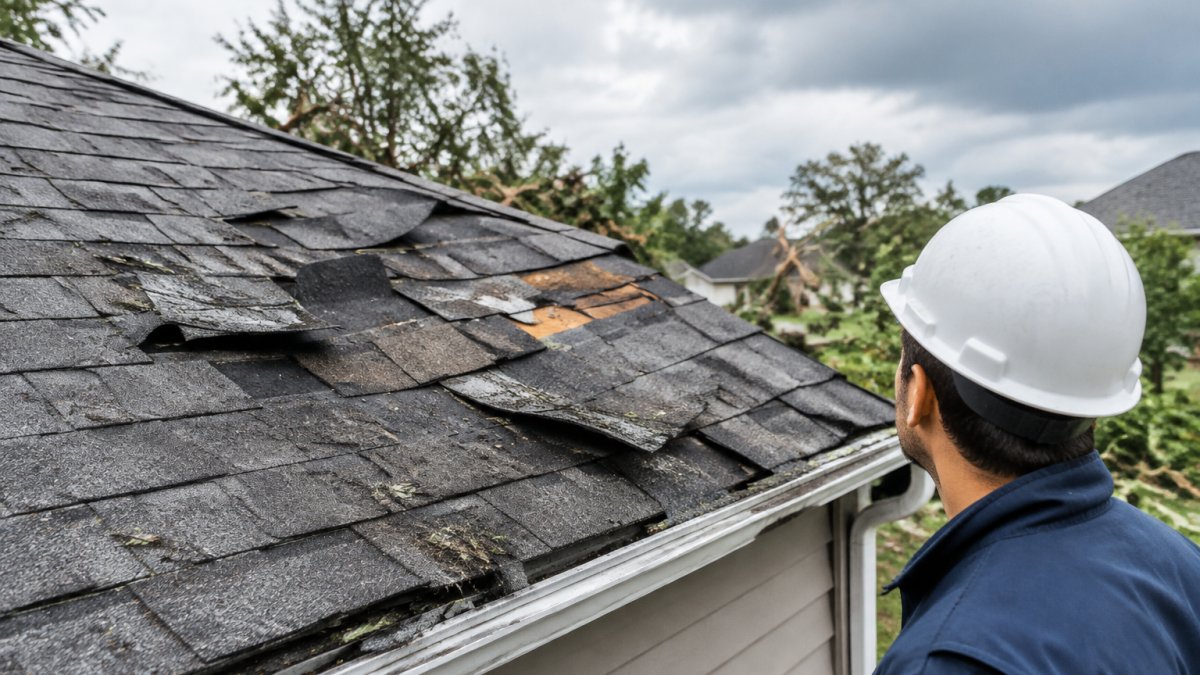
Shingles should lie flat and create a continuous barrier against water. Curling edges, cracked tabs, bald spots, and missing shingles leave the roof more vulnerable to wind-driven rain. You may notice these problems after a storm, but sun exposure and simple aging can cause them as well.
A few damaged shingles in one contained area may be repairable. When the same issue appears across several slopes, or replacement shingles cannot be properly matched to an older roof, a full replacement often makes more sense. The goal is not just to improve appearance. It is to restore a dependable water-shedding surface.
3. Granules are collecting in gutters or at downspouts
Asphalt shingles have a granulated surface that helps protect them from sunlight and weather. Some loose granules are normal, especially on a newer roof. Heavy buildup in gutters, near downspouts, or at the bottom of a driveway is different. It can mean the shingles are losing the protective surface they need to hold up.
Look closely at the roof from the ground. Dark, patchy areas may indicate granule loss. Once the underlying asphalt is exposed, shingles can become brittle and deteriorate more quickly under California heat.
4. You see water stains, dripping, or musty odors indoors
A ceiling stain is never just a cosmetic issue. Water may be entering through a damaged shingle field, failed flashing, cracked pipe boot, skylight detail, or a problem at the roof-to-wall connection. The visible stain can be several feet away from the actual leak because water often travels along framing before it appears indoors.
Do not wait for a drip to become constant. Even a small intermittent leak can wet insulation, damage drywall, create wood rot, and support mold growth. An inspection should identify the source and determine whether a targeted repair is realistic or whether widespread roof wear is allowing water in at multiple points.
5. The roof deck feels soft or looks sagged
A straight roofline is a good sign. A dip, low spot, or visibly sagging section deserves prompt attention, especially if it has developed over time. These conditions can point to moisture-damaged roof decking, weakened framing, or long-term water intrusion below the roofing material.
From inside an attic or upper floor, watch for daylight coming through the roof, darkened wood, damp insulation, or a spongy feel when walking on accessible decking. Structural concerns are not a do-it-yourself repair. They should be assessed before the damage spreads or a heavy rain adds more weight to an already weakened area.
6. Flashing and pipe boots are failing
Many leaks begin at roof penetrations and transitions, not in the middle of a shingle. Flashing protects vulnerable spots around chimneys, walls, vents, skylights, valleys, and pipes. Pipe boots can dry out, crack, and separate from the plumbing vent over time.
When these components fail on an otherwise healthy roof, a repair may be enough. But if the flashing is deteriorated because the surrounding roof is old and brittle, replacing isolated pieces may only delay a larger issue. Good replacement work includes careful attention to these details, because they are where workmanship matters every SHINGLE time.
7. Moss, algae, or debris keeps returning
Moss and algae do not always mean a roof needs replacement. On a newer roof, careful cleaning and improved drainage may resolve the problem. But persistent growth can trap moisture against shingles, hide damaged areas, and accelerate deterioration, especially on shaded slopes beneath trees.
Leaves, pine needles, and branches create a similar problem when they pile up in valleys or behind chimneys. They hold moisture and prevent water from moving toward the gutters. If the roof is already aging, trapped debris can expose weak areas quickly during the rainy season.
8. Your attic is unusually hot or your energy bills are rising
Higher cooling costs can have several causes, including windows, insulation, and HVAC equipment. Still, an overheated attic may point to poor roof ventilation, damaged intake or exhaust vents, or roofing materials that are no longer performing as intended.
Replacement creates an opportunity to correct ventilation issues and inspect insulation, decking, and moisture conditions beneath the old roof. It is not a guarantee of lower utility bills, but a properly designed roofing system can help the home manage heat and moisture more effectively.
9. Repairs are becoming a regular expense
One repair after a fallen branch or isolated wind event is normal. A pattern of leaks, loose shingles, patching, and emergency calls is different. When repair costs keep adding up, homeowners and property managers should compare the cost of continued patchwork against a planned replacement with a clear scope and warranty.
The right decision depends on the roof's age, the cause of the damage, and how much of the roof remains in good condition. A reputable contractor should explain the trade-off plainly. Replacement is not always necessary, but repeated repairs on a worn-out roof can cost more over time without delivering dependable protection.
10. A flat or low-slope roof is ponding, blistering, or separating at seams
Commercial buildings and some residential additions use flat or low-slope roofing systems. These roofs require a different inspection approach than architectural shingles. Standing water that remains long after rain, blistered membrane surfaces, open seams, cracked coatings, and loose edge details can all signal a failing system.
TPO roofing is a durable choice for many low-slope properties, but it still depends on sound seams, drainage, penetrations, and edge termination. If a roof has widespread seam failure or recurring ponding water, replacement may protect the building better than repeated spot repairs.
When a Repair Can Still Be the Right Call
Not every roof problem calls for a complete replacement. A newer roof with a small number of wind-damaged shingles, a localized flashing issue, or a failed pipe boot may be an excellent repair candidate. The key is confirming that the rest of the system is sound.
A thorough inspection should include the roof covering, flashing, vents, gutters, drainage paths, roof deck condition, and accessible attic areas. Photos and a clear explanation matter. You should understand what failed, why it failed, and what repair or replacement option will best protect the property.
Do Not Wait for the Next Major Storm
Roof damage has a habit of becoming visible at the worst possible time: during a heavy rain, after a wind event, or when water is already reaching the interior. If you notice several of these warning signs, schedule an inspection before the next weather change puts more pressure on the system.
For property owners in Clearlake Oaks and surrounding Northern California communities, Hurtado's Roofing provides straightforward evaluations, clear estimates, and roofing work built to hold up. A timely inspection gives you the information to plan confidently, protect the structure beneath your roof, and choose the repair or replacement that fits your property.


Comments