Architectural Roofing Shingle Colors That Fit

A new roof changes more than the view from the street. The right architectural roofing shingle colors can make a modest home look sharper, help a larger home feel balanced, and complement the landscape around Clearlake Oaks. The wrong choice can leave a roof looking too heavy, too faded, or disconnected from the rest of the property before the shingles have reached the middle of their service life.
Color is personal, but it should not be a guess. Your siding, trim, masonry, roof shape, sun exposure, and neighborhood setting all deserve a place in the decision. A dependable roofing contractor should help you look beyond a small sample board and choose a color that will still look right after years of Northern California sun, wind, and weather.
What Architectural Roofing Shingle Colors Actually Change
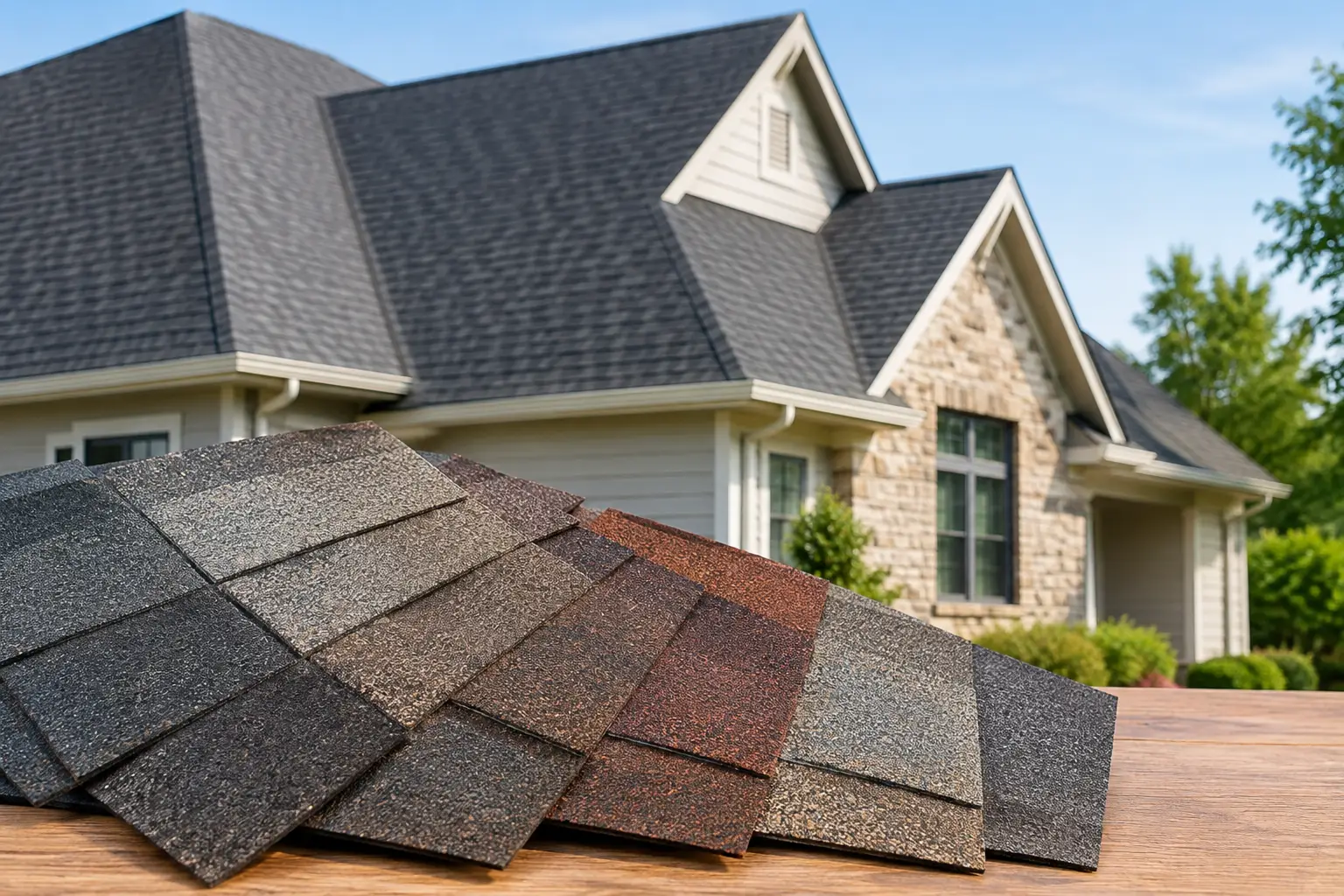
Architectural shingles have a dimensional, layered appearance that gives a roof more depth than traditional three-tab shingles. Their blended colors are part of that look. Instead of one flat shade, many shingles combine several tones: charcoal with soft gray, brown with warm tan, or black with subtle blue-gray highlights.
That blend can change how the whole home reads from the curb. Darker roofs often ground a light-colored house and make crisp trim stand out. Mid-tone browns can soften homes with stucco, wood accents, or natural surroundings. Lighter gray shingles can create a clean contrast on darker siding while keeping the roof from feeling overly dominant.
Color also affects how visible certain details become. A high-contrast roof may call attention to valleys, dormers, vents, and uneven roof lines. That can be attractive on a well-proportioned home, but it is not always the best move on a roof with multiple additions or awkward transitions. In those situations, a blended mid-tone shingle often creates a more forgiving, unified appearance.
Start With the Parts of the Home That Stay
Roofing can be replaced. Stonework, siding, exterior paint, and major landscaping usually stay much longer. Start with the features you do not expect to change soon.
Look first at brick, stone, stucco, or fixed accent materials. These surfaces usually carry undertones that are easy to miss until a roof color clashes with them. Cream stucco may lean warm and pair well with brown, weathered wood, or warm gray shingles. Cool gray stone often looks better with charcoal, slate, or neutral gray blends. Red brick can work with deep brown, black, or charcoal, depending on the trim color.
Then consider the siding and trim together. A roof does not need to match either one exactly. In fact, exact matches can make a house look flat. The goal is coordination. A dark charcoal roof can give white, light gray, or pale blue siding a clean frame. A weathered brown roof may better suit beige, tan, sage, or cedar-colored exteriors.
If your exterior paint is due for replacement soon, decide whether the roof or the paint will lead the project. Since a roof is the larger investment and is expected to last for decades, it usually makes sense to choose the shingle first and paint around it later.
View Full-Size Samples Outdoors
Small shingle samples are useful for narrowing choices, but they cannot show the full blend or scale of a completed roof. Ask to see larger sample boards and place them against the siding, trim, and masonry. Check them in morning light, direct afternoon sun, and shade.
A color that appears medium gray in a showroom can look almost black in full sun. A brown blend may show more red or gold than expected once it is installed across a large roof plane. If possible, look at completed homes with the color you are considering. Just remember that roof pitch, surrounding trees, and the home’s exterior colors will influence the final result.
Heat, Sun, and Fading in Northern California
A lighter roof generally reflects more sunlight than a darker roof, but shingle color alone does not determine comfort inside the home. Attic insulation, ventilation, air sealing, roof deck condition, and the amount of shade around the property all matter.
For a home with limited attic ventilation, a very dark roof can contribute to higher attic temperatures during hot weather. That does not automatically make dark shingles a bad choice. Many homeowners prefer them for their appearance and curb appeal. It simply means the rest of the roofing system needs proper attention. Ridge ventilation, intake ventilation at the eaves, and correctly installed insulation help manage heat and moisture more effectively than color alone.
Sun exposure should also shape expectations around fading. All roofing materials weather over time. High-quality architectural shingles are designed to hold their color, but a roof that receives intense direct sun every day may age differently than one protected by mature trees. Lighter blended shades can make gradual color changes less noticeable, while very dark or highly uniform colors may show dust, pollen, and weathering more clearly.
Hurtado's Roofing looks at the full roof system during a replacement, including ventilation, flashing, pipe boots, and other vulnerable details. A color decision works best when the installation behind it is built to last every SHINGLE time.
Popular Color Families and Where They Work
There is no single best shingle color for every property. These color families are popular because they solve different visual problems.
Charcoal and Black Blends
Charcoal is a reliable choice for white, light gray, blue, and modern exterior palettes. It gives a home definition without always reading as pure black. Black blends create a stronger, more dramatic contrast and can suit homes with clean lines, white trim, or dark window frames.
The trade-off is heat absorption and visibility. On a low-pitch roof, a dark color can appear as a broad, solid field from the street. On a steep roof with gables and dormers, it can add welcome structure. Choose a blend with gray variation if you want the depth of a dark roof without a completely uniform look.
Warm Brown and Weathered Wood Tones
Brown, driftwood, and weathered wood shingle colors work naturally with tan siding, earth-tone stucco, stone, and rural or wooded settings. They tend to feel less stark than black or charcoal and can hide dust and organic debris reasonably well.
Pay attention to undertones. Some brown shingles lean red, while others lean gray or gold. A reddish brown can compete with red brick or terracotta accents. A cooler brown-gray blend is often more versatile when a home has mixed materials.
Gray and Slate Blends
Gray remains one of the safest choices because it works with a wide range of exterior colors. Light to medium gray can keep a roof looking clean and balanced, especially on homes with darker siding. Slate-style blends bring more variation and can complement stone, blue-gray paint, and contemporary design features.
The risk with gray is choosing a tone that fights the existing exterior. A warm beige house may look washed out beside a blue-toned gray roof. Put the sample next to the actual wall finish, not only a paint chip, before making the call.
Light Neutral Blends
Lighter tans, soft grays, and sand-colored blends can reduce the visual weight of a large roof and may be a sensible option for homes with strong sun exposure. They are often a good fit for single-story homes where the roof covers a large part of the visible exterior.
They also show stains, algae streaks, and debris differently than dark colors. The best choice depends on nearby trees, roof slope, maintenance habits, and the shingle’s available protective features. An inspection can identify whether drainage or overhanging branches are likely to create recurring cleanup issues regardless of color.
Do Not Forget the Roof Details
Shingles are the main color field, but they are not the only visible roofing components. Ridge caps, hip caps, drip edge, flashing, vents, skylights, and gutters all contribute to the finished appearance.
Most ridge caps are designed to coordinate with the field shingles, but metal flashings and roof penetrations can still be noticeable. On a darker roof, black vent covers may blend in better than exposed galvanized metal. On a light roof, matching components prevent small details from becoming distractions. Gutters deserve the same consideration. They can match the fascia for a quiet look or contrast with the trim as a deliberate design choice.
This is also why a roof estimate should include more than a shingle name and color. Homeowners deserve to know what will be replaced, how flashing areas will be handled, and whether damaged decking or ventilation concerns could affect the project.
Make the Final Choice With Confidence
Before ordering materials, step back to view your home from the street and from across the driveway. Consider the roof as part of the whole property, including fences, detached garages, retaining walls, and the landscape. A color that feels bold on a sample may be exactly right at full scale. Another may be technically attractive but too busy next to the home’s existing finishes.
If you are planning to sell soon, a versatile charcoal, weathered wood, or neutral gray blend can appeal to a broad range of buyers. If you expect to stay for years, the better question is which color makes you feel confident when you pull into the driveway. A well-installed roof should protect the home first, but there is nothing wrong with choosing one you are proud to look at every day.


Comments