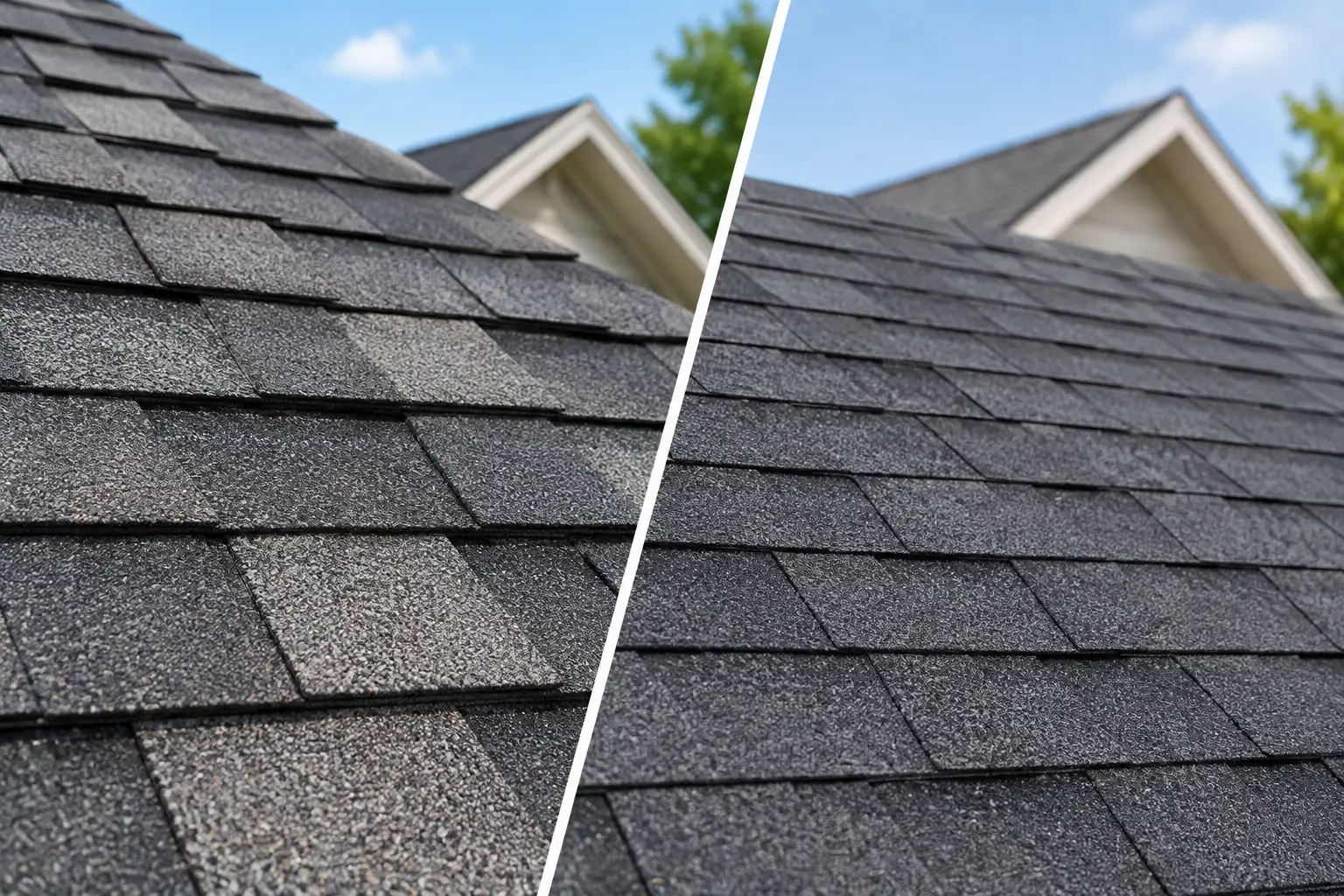
Architectural Shingles vs. Asphalt Shingles

A roof replacement estimate can be confusing when one option says “asphalt shingles” and another says “architectural shingles.” The short answer to what is the difference between architectural shingles and asphalt shingles is that architectural shingles are a premium type of asphalt shingle. They use the same basic asphalt-based roofing technology, but they are built thicker, layered for more dimension, and generally designed to last longer than basic three-tab asphalt shingles.
That distinction matters when you are comparing estimates, planning for Northern California weather, or trying to make a roof investment that protects your property without overspending. The right choice depends on the condition of your roof, your budget, your home's style, and the quality of the full roofing system underneath the shingles.
Architectural shingles vs. asphalt shingles: the key difference
“Asphalt shingles” is the broad category. Most residential shingle roofs use fiberglass mats coated with asphalt and topped with protective mineral granules. Within that category, there are different grades of shingles.
Traditional three-tab shingles are the simpler, flatter, single-layer option. Each shingle has cutouts that create a repeating pattern of individual tabs across the roof. They are often what people mean when they say “standard asphalt shingles.”
Architectural shingles, also called dimensional or laminated shingles, are made by bonding layers of asphalt material together. Those layers create shadows, texture, and a thicker profile that can resemble wood shake or slate from the ground. They are still asphalt shingles, but they are not the same product as an entry-level three-tab roof.
The name on an estimate is not the whole story. Shingle performance also depends on the manufacturer, product line, installation method, roof slope, attic ventilation, flashing, underlayment, and whether damaged decking is repaired before new materials go on.
How the materials compare
Thickness and appearance
The most visible difference is dimension. Three-tab shingles lie relatively flat and create a uniform, repeating pattern. Architectural shingles have varied tab shapes and layered sections, so the roof has more depth and visual movement.
For homeowners, that added texture often improves curb appeal. A dimensional shingle can make a modest home look more finished and can complement ranch, craftsman, traditional, and newer construction styles. Color blends are also often more varied, which helps the roof look less flat in changing sunlight.
Appearance is not only about resale value. If part of a roof has been repaired over the years, matching an older shingle can be difficult. When replacement time comes, choosing a current architectural product may provide a more consistent, intentional look across the entire roof.
Durability and wind resistance
Architectural shingles are typically heavier and thicker than three-tab shingles. That added construction can improve resistance to wind uplift and everyday wear. Many architectural products are rated for higher wind speeds than basic shingles when installed according to the manufacturer's specifications.
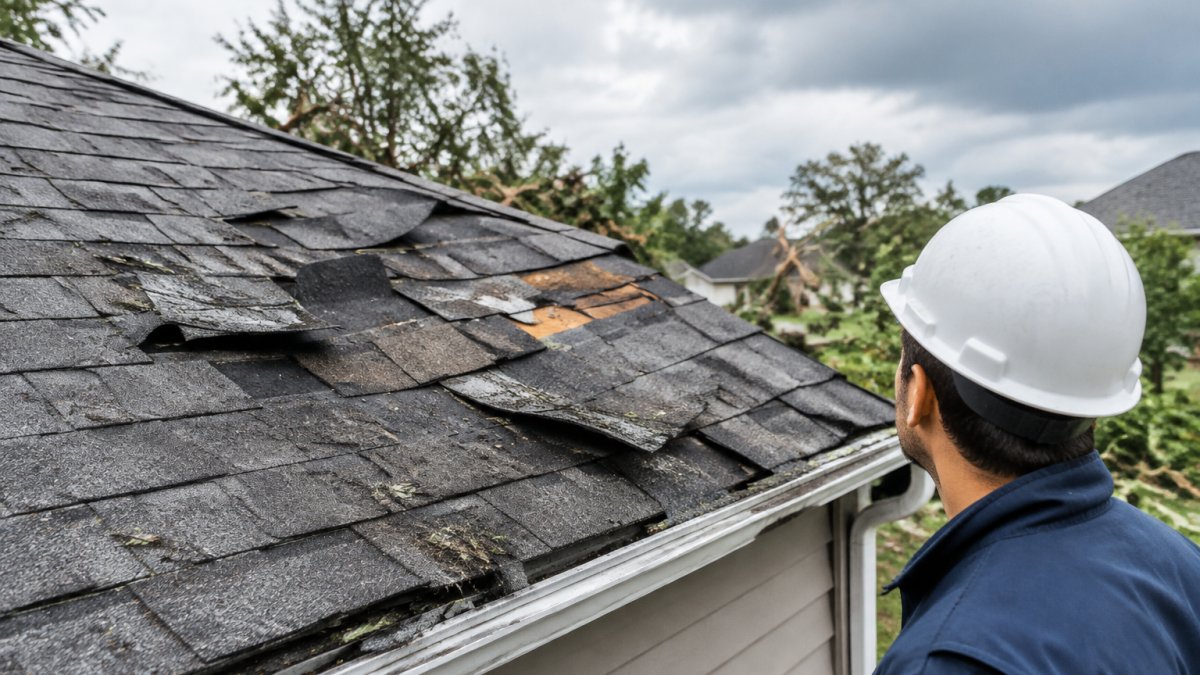
That does not mean any architectural shingle is automatically storm-proof. Wind can still lift poorly fastened shingles, expose weak flashing, or damage aging pipe boots and ridge areas. Fallen branches can damage any roofing material. A sound installation and regular inspections are what help the roof perform as intended.
For properties around Clearlake Oaks, exposure matters. A roof on an open hillside, near the lake, or beneath large trees may face stronger winds, blowing debris, and more branch impact than a protected neighborhood roof. Those conditions can make the added strength of an architectural shingle worthwhile.
Lifespan
Basic three-tab asphalt shingles generally have a shorter expected service life than architectural shingles. Architectural products are commonly sold with longer limited warranties and are often expected to provide more years of service under favorable conditions.
Still, warranty language should not be mistaken for a guaranteed roof life. Heat, ultraviolet exposure, ventilation problems, installation quality, maintenance, and storm events all affect how long a roof actually lasts. A high-quality shingle installed over compromised decking or inadequate ventilation cannot perform to its potential.
During a roof inspection, a contractor should look beyond the visible shingles. Soft decking, worn flashing, corroded vents, open penetrations, and failing underlayment can all create leaks that appear to be a shingle problem. Replacing the complete system is often the dependable choice when the existing roof has reached the end of its useful life.
Cost: lower upfront price or longer-term value?
Three-tab asphalt shingles usually cost less for the material and may have a lower installed price. For a homeowner facing an urgent replacement on a tight budget, that lower initial cost can be appealing.
Architectural shingles generally cost more because they use more material and offer a more substantial finished appearance. The price difference can be reasonable compared with the total project cost, but it varies by roof size, pitch, tear-off needs, access, local labor conditions, and the shingle selected.
The better value is not always the lowest estimate. If you plan to stay in the home for years, an architectural shingle may make sense because of its durability, appearance, and potential to reduce the chance of an earlier replacement. If you are selling soon or repairing a secondary structure, a simpler shingle may be a practical fit.
A clear estimate should separate the major parts of the work: removal and disposal, decking repairs if needed, underlayment, starter material, shingles, ridge caps, flashing work, ventilation components, and cleanup. This gives you a fairer comparison than looking at one final number alone.
Why installation matters as much as the shingle
A new roof is a system, not a stack of shingles. The material is only one part of what keeps water out of your home.
The roof deck provides the base. Underlayment provides a secondary layer of protection beneath the shingles. Drip edge directs water away from vulnerable roof edges. Flashing protects transitions at walls, chimneys, skylights, and valleys. Pipe boots seal plumbing vent penetrations. Proper intake and exhaust ventilation help control heat and moisture in the attic.
If any of those details are skipped, reused when they should be replaced, or installed incorrectly, the roof can leak even with premium shingles overhead. This is why a contractor should inspect the roof structure and existing components before offering a final recommendation.
At Hurtado's Roofing, the focus is on explaining what the roof needs plainly, completing the work carefully, and standing by the finished result every SHINGLE time. A good roofing conversation should leave you knowing what is being installed, why it is needed, and what it will cost before work begins.
When three-tab shingles may still be the right choice
Architectural shingles are often the preferred residential choice, but they are not the answer for every project. Three-tab shingles can be appropriate for a small detached garage, shed, rental property with strict budget limits, or a roof where matching an existing three-tab section is necessary.
They can also work well when the property owner understands the shorter expected lifespan and lower wind rating and chooses the product intentionally. There is nothing wrong with a basic asphalt shingle when it fits the building, budget, and expected use.
The key is avoiding a mismatch between the material and the property. A low-cost shingle may not be a saving if it leaves an exposed home needing replacement sooner than expected. On the other hand, paying for a premium product may not be necessary on every structure.
Questions to ask before choosing your shingles
Before approving a roof replacement, ask whether the estimate includes complete tear-off, new underlayment, new flashing where needed, pipe boot replacement, ventilation evaluation, and repairs to damaged decking. Ask what specific shingle product is proposed, not just whether it is “asphalt.” You should also ask how the crew will protect landscaping, collect debris, and handle unexpected rotten wood discovered after tear-off.
For a repair, ask whether the work addresses the source of the leak or only the visible symptom. A missing shingle may be easy to replace, but water stains can also come from flashing, vents, valleys, or a failed pipe boot. An honest inspection helps prevent spending money twice.
Your roof does not need the most expensive shingle on the market. It needs a material suited to your home, installed with care over a sound roofing system. A straightforward inspection and a detailed estimate can help you make that decision with confidence before the next wind, rain, or hot summer season puts the roof to work.


Comments