Are Architectural Shingles Better Than Regular Shingles?

A roof replacement is not the place to choose the lowest price without looking at what that price buys. The shingles on your home have to handle summer heat, winter rain, wind, falling debris, and years of expansion and contraction. So, are architectural shingles better than regular shingles? For many Northern California homeowners, the answer is yes - but only when the roof system underneath is installed correctly and the added cost fits the home and budget.
Architectural shingles are thicker, more dimensional, and generally more durable than regular three-tab shingles. They can improve curb appeal and often offer better wind performance. Still, they are not automatically the right answer for every property. The best choice depends on your roof’s slope, condition, ventilation, budget, and how long you plan to own the building.
Are Architectural Shingles Better Than Regular Shingles?
Architectural shingles are usually the better long-term option because they are built with multiple laminated layers. That added thickness gives them a more substantial appearance and can help them stand up better to normal weather exposure than standard three-tab shingles.
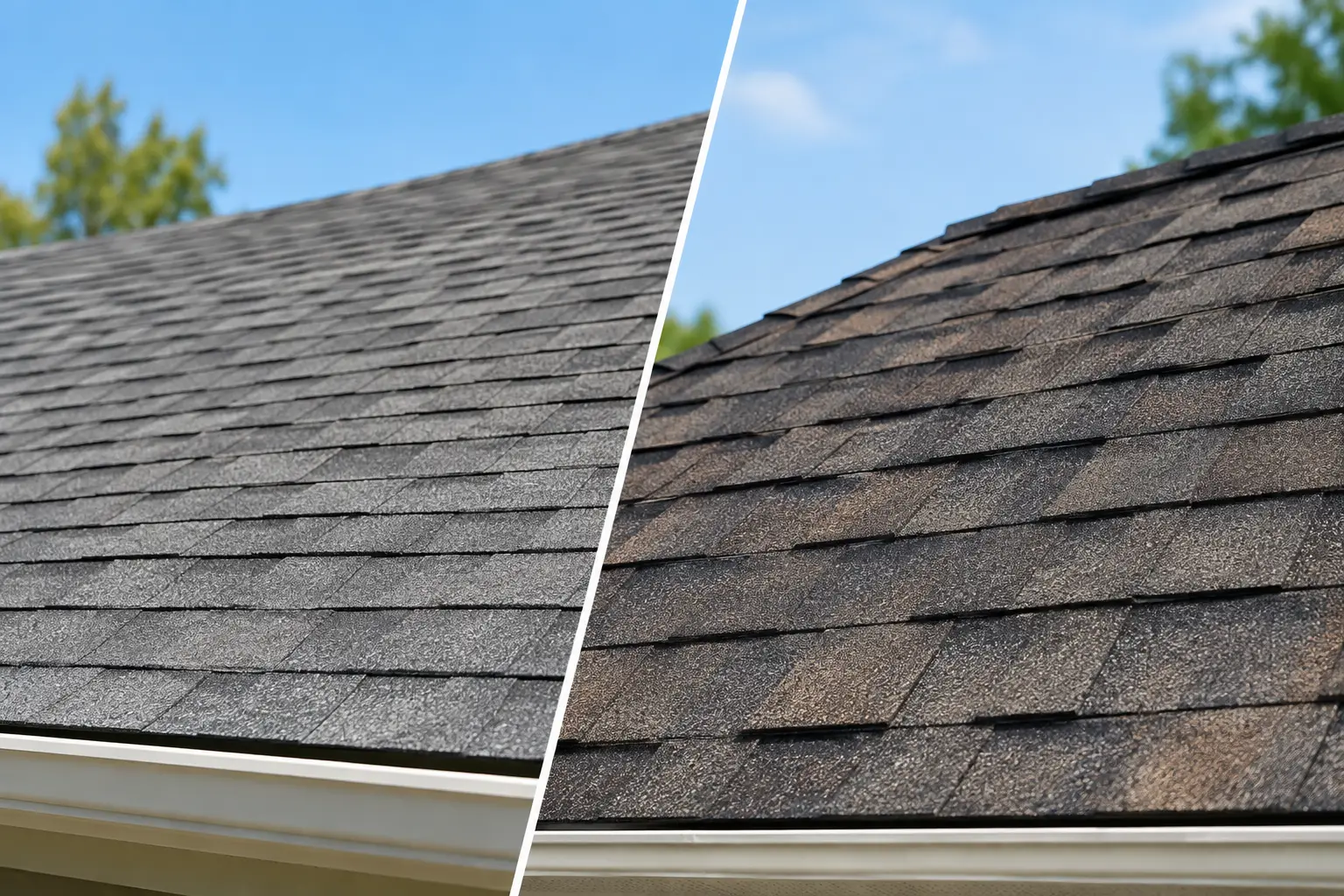
Regular shingles, often called three-tab shingles, are flat and uniform. Each shingle has three tabs that create a repeating pattern across the roof. They have been a common, budget-friendly roofing option for decades, especially on simple homes where appearance is not the main priority.
Architectural shingles, also called dimensional or laminate shingles, create more texture. Their layered construction can resemble wood shake or slate from the ground without the weight and maintenance those materials may require. The difference is easy to see once the roof is installed: three-tab shingles look clean and consistent, while architectural shingles add shadow lines and depth.
That appearance matters, but performance matters more. A roof is a full system, not just the visible shingle. Quality underlayment, properly installed flashing, sealed pipe boots, attic ventilation, and careful work around valleys and penetrations all affect how long the roof protects your property.
Durability and Wind Resistance
Architectural shingles are generally thicker than regular shingles, which can make them more resistant to wear from wind, sun, and repeated temperature changes. Many architectural products also carry higher wind ratings than basic three-tab options when installed according to the manufacturer’s requirements.
That does not mean any architectural shingle will solve a roofing problem on its own. Wind can still lift shingles if starter strips, nails, sealing strips, ridge caps, or flashing are installed incorrectly. A roof with poor decking, inadequate ventilation, or neglected drainage can also fail early regardless of the shingle type.
For homes in and around Clearlake Oaks, wind exposure deserves real attention. A roof on an open lot, hillside, ridge, or area with few windbreaks may need a stronger installation approach than a home in a more protected neighborhood. During an inspection, a qualified roofer should look at the roof’s exposure, slope, existing damage, and vulnerable details instead of treating every house the same.
Architectural shingles also tend to hold their shape better as they age. Three-tab shingles can be more prone to curling, cracking, and losing tabs over time, particularly where direct sun and heat are hard on the roof. The exact service life will vary by product, climate, maintenance, and installation quality, but architectural shingles commonly provide a longer useful life than entry-level three-tab shingles.
Cost: Higher Up Front, Often Better Value
Regular shingles typically cost less to purchase, which can make them attractive when a homeowner needs a replacement quickly and has a limited budget. On a straightforward roof, that lower material cost can make a noticeable difference in the estimate.
Architectural shingles cost more because they use more material and have a heavier, layered design. However, the price difference is often smaller than homeowners expect once tear-off, disposal, underlayment, flashing, labor, permits, and other necessary roofing work are included. Those parts of the project are needed whether you choose a basic shingle or a premium-looking one.
The better value often comes from looking beyond the initial invoice. If architectural shingles last longer, resist wind damage better, and improve the appearance of the home, the additional cost may be worthwhile. This is especially true for homeowners planning to stay in the property for many years or preparing a home for sale where curb appeal can influence buyer interest.
On the other hand, a regular shingle may be a reasonable choice for a rental property, a short-term ownership plan, or a building where budget is the deciding factor. Honest roofing advice should account for your goals, not push the highest-priced option every time.
Appearance and Home Value
Architectural shingles have become the more common choice for many residential roof replacements because they make a visible difference. Their dimensional pattern gives a roof more character, especially on homes with prominent front-facing gables, multiple rooflines, or a steep pitch that is easy to see from the street.
Color selection matters, too. A good roofing color should work with the home’s siding, stucco, brick, trim, and surrounding landscape. Darker shingles can create contrast and a traditional look, while lighter shades may better complement certain exterior colors and can be helpful in sunny locations. The right choice is not always the trendiest color. It is the one that looks appropriate on the home and will still look good years from now.
A new architectural shingle roof can support curb appeal, but it should not be used to cover up unresolved roof issues. If decking is soft, flashing is failing, or moisture has entered the attic, those problems need to be addressed during the project. Good workmanship protects the investment every SHINGLE time.
When Regular Shingles May Still Make Sense
There are situations where regular three-tab shingles remain a practical option. A homeowner may need a reliable replacement at the lowest possible cost. A small outbuilding, detached garage, or simple rental roof may not need the added visual impact of dimensional shingles. In some cases, matching an existing roof for a limited repair may also guide the material decision.
Availability can be another factor. Some manufacturers have reduced their three-tab offerings in certain markets, while architectural shingles are widely stocked in more colors and styles. Your contractor should confirm what is available locally before promising an exact match or timeline.
It is also worth remembering that shingles are designed for sloped roofs. If your property has a low-slope section, patio cover, commercial roof, or nearly flat area, shingles may not be the correct material at all. TPO or another approved low-slope roofing system may be the safer, longer-lasting solution for that portion of the building.
What to Ask Before Choosing a Shingle
Before approving an estimate, ask what the proposal includes beyond the shingles. You should understand whether the contractor will remove the old roof, inspect and replace damaged decking if needed, install underlayment, replace flashing, address pipe boots, and provide proper ventilation. These details affect both roof performance and the accuracy of the final price.
Also ask about the manufacturer’s product warranty and the contractor’s workmanship coverage. A material warranty does not replace accountable installation. If water enters around a vent, chimney, valley, or wall flashing, the issue may be installation-related rather than a defect in the shingle itself.
A clear estimate should identify the shingle type, color, roof areas being replaced, and any work that may be needed once the old roofing is removed. That kind of transparency helps prevent surprises and gives you a fair way to compare proposals.
Choose the Roof System That Fits Your Property
Architectural shingles are usually better than regular shingles for homeowners who want stronger curb appeal, added thickness, and a roof built for long-term value. But the material is only one part of the decision. The condition of the roof deck, the quality of flashing, the attic’s ventilation, and the care taken during installation all matter just as much.
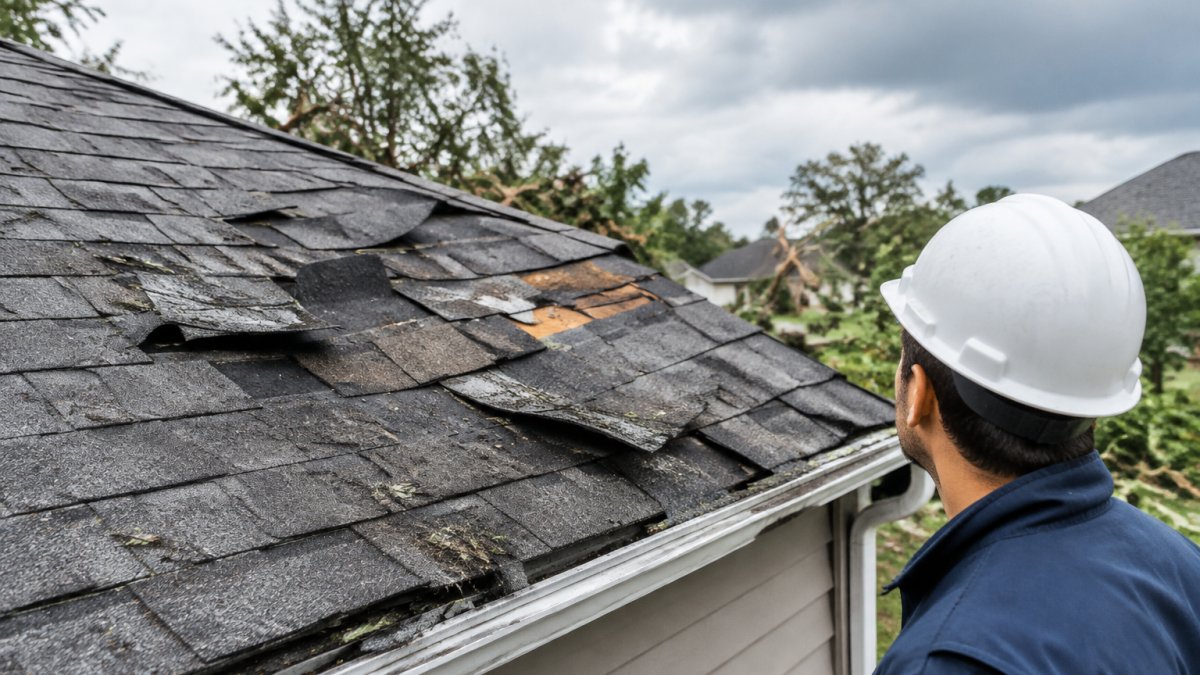
If your roof is aging, showing missing shingles, leaking around penetrations, or collecting granules in the gutters, start with a professional inspection rather than guessing from the ground. A straightforward assessment can show whether a repair will protect the home or whether it is time to plan a replacement that will hold up for years.


Comments