Are Architectural Shingles Worth It for Your Roof?

A roof replacement is one of those decisions that becomes urgent fast. One day you are noticing a few curled tabs or granules in the gutter. Then a heavy Northern California rain finds a weak flashing detail, and the question becomes immediate: are architectural shingles worth it compared with basic three-tab shingles or a more expensive metal roof?
For many homeowners, the answer is yes. Architectural shingles offer a meaningful step up in appearance, thickness, wind resistance, and expected service life without reaching the price of metal roofing. But they are not automatically the best choice for every roof, budget, or property goal. The value comes down to the condition of your roof deck, the quality of installation, your exposure to weather and trees, and how long you plan to own the home.
What Makes Architectural Shingles Different?
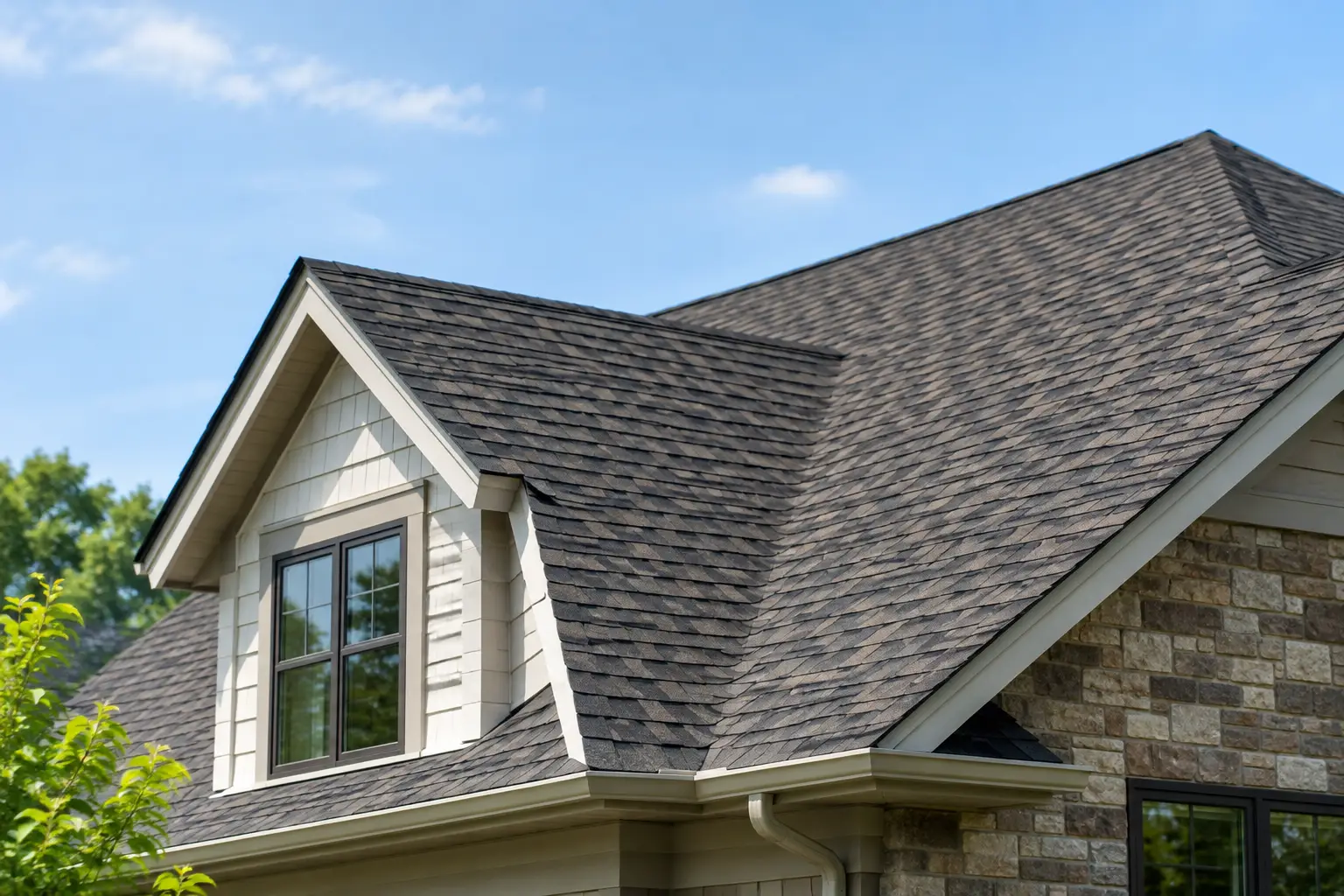
Architectural shingles are also called dimensional or laminated shingles. Unlike traditional three-tab shingles, which have one flat layer and a uniform pattern, architectural shingles are built from multiple bonded layers of asphalt material. That layered construction creates more depth, a stronger profile, and a look that can resemble wood shake or slate from the ground.
The difference is not only cosmetic. Architectural shingles are generally heavier and thicker than three-tab products. That can help them hold up better against wind and everyday weathering when they are installed over a sound roof deck with the right underlayment, flashing, ventilation, and fasteners.
They are still an asphalt roofing system, so they are not maintenance-free or permanent. Sun exposure, temperature swings, wind, clogged gutters, overhanging limbs, and installation mistakes can shorten the life of any shingle roof. Still, architectural shingles usually provide a more durable residential option than entry-level three-tab shingles.
Are Architectural Shingles Worth It Compared With Three-Tab?
For a homeowner replacing an aging asphalt roof, architectural shingles are often worth the added upfront cost. The price difference varies by product, roof complexity, tear-off needs, and local labor conditions, but the long-term value is usually easier to see than it is with a basic shingle upgrade.
A three-tab roof has a flatter appearance and generally a shorter expected lifespan. Architectural shingles provide more visual dimension, which can improve curb appeal on ranch homes, cabins, two-story homes, and properties where the roof is highly visible from the street. They also tend to come in a wider range of blended colors and profiles, making it easier to match siding, trim, stone, or exterior paint.
The practical benefit matters just as much. A thicker shingle can offer stronger resistance to lifting and wear, particularly on homes exposed to seasonal winds. That does not mean the shingle alone solves wind problems. Correct nail placement, adequate fastening, sealed edges, and properly installed ridge and starter components all matter. A premium shingle installed carelessly is not a premium roof.
If your goal is the lowest possible initial cost and you expect to sell quickly, three-tab shingles may still be a reasonable choice. If you want a roof that looks better and is more likely to deliver longer service, architectural shingles usually make more sense.
Where Architectural Shingles Deliver the Most Value
Architectural shingles are especially practical for homes that need a dependable, attractive roof without the higher investment of metal. They work well on many pitched residential roofs and can be a smart fit for homeowners who expect to stay in the property for years.
In Clearlake Oaks and nearby communities, roofs deal with strong sun, winter rain, wind, and falling debris from surrounding trees. A properly selected architectural shingle can give your home a more substantial protective layer than a basic shingle while maintaining a familiar residential appearance.
They can also support resale value. Buyers may not know every technical detail of a roofing system, but they notice a roof that looks new, straight, well-finished, and appropriate for the home. A dimensional shingle profile often gives that impression more effectively than a flat three-tab roof.
Color selection is another factor. Darker roofs can create a bold look, while lighter or reflective options may be better suited to homes that receive intense sun. Local energy and building requirements can affect which products are appropriate, so it is worth confirming the available options before choosing based on color alone.
The Costs That Matter Beyond the Shingles
Homeowners sometimes compare roofing estimates by looking only at the shingle brand and total price. That can leave out the work that protects the roof where leaks most often begin.
A complete estimate should address whether the existing roof will be removed, the condition of the decking underneath, underlayment, drip edge, flashing at walls and valleys, pipe boots, ventilation, ridge materials, and cleanup. If damaged plywood is found after tear-off, it should be replaced so the new shingles have a solid surface to fasten to.
Roof shape also affects cost. A simple gable roof usually requires less labor and cutting than a roof with valleys, skylights, chimneys, dormers, steep sections, or multiple transitions. Those details are not reasons to avoid architectural shingles. They are reasons to work with a contractor who explains the scope clearly instead of giving a vague number that changes later.
The lowest estimate is not always the best value if it skips critical components or uses shortcuts around flashing and ventilation. Water does not need a large opening to cause damage. It follows gaps around penetrations, transitions, and failed edges, then works its way into decking, insulation, and framing.
When Another Roofing Material May Be Better
Architectural shingles are a strong all-around option, but they are not the answer for every building. Metal roofing may be worth considering if you want a longer-lasting system, a particular architectural style, or a roof better suited to shedding debris. The initial investment is typically higher, and the installation requires material-specific experience.
For commercial buildings and low-slope roofs, architectural shingles generally are not appropriate. TPO roofing systems are designed for those applications and provide a continuous membrane solution where water drainage behaves differently than it does on a steep residential roof.
If your roof has ongoing structural movement, widespread deck rot, poor drainage, or ventilation problems, choosing a better shingle will not correct the underlying issue. Those conditions need to be addressed as part of the roofing project. A trustworthy contractor should identify them during the inspection rather than covering them up.
Homeowners in areas with heavy tree coverage should also think about maintenance. Architectural shingles can handle normal exposure well, but branches rubbing the roof, leaf buildup in valleys, moss growth, and clogged gutters create avoidable wear. Trimming limbs away from the roofline and keeping drainage paths clear can make a real difference in roof life.
How to Decide if Architectural Shingles Are Right for You
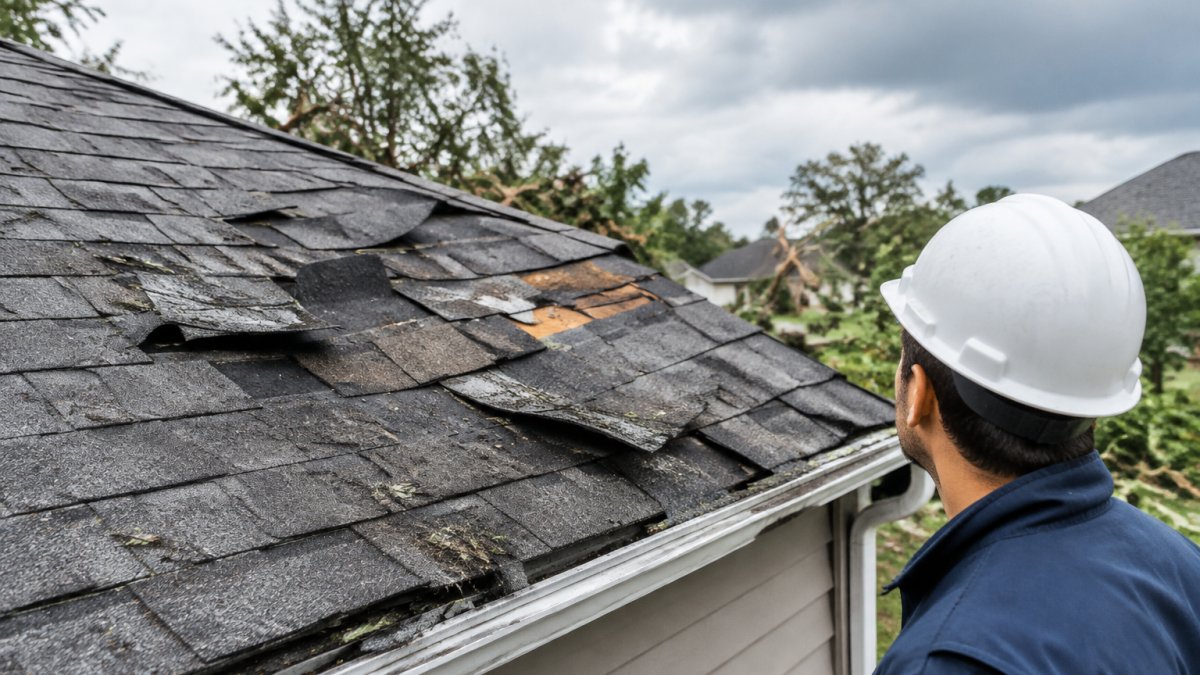
Start with the roof you have, not just the material you want. If the roof is nearing the end of its life, has repeated leaks, missing shingles, visible granule loss, or storm damage, a professional inspection can separate a localized repair from a replacement need.
Then consider your timeline. Architectural shingles are a practical investment for homeowners who want durable protection and improved curb appeal for the next several years. They are also a sensible middle ground for owners who do not want the short-term limitations of three-tab shingles or the higher starting cost of metal.
Finally, evaluate the installation team as carefully as the product. Licensed and insured roofing professionals should be willing to explain the materials, inspect vulnerable areas, provide a clear estimate, and answer questions before work begins. At Hurtado's Roofing, that is the standard every SHINGLE time: show up, do the work right, and stand by the result.
A good roof should not leave you guessing during the next rainstorm. If architectural shingles fit your home, budget, and roof design, they can be one of the most dependable upgrades you make for lasting protection and a home that looks cared for.


Comments