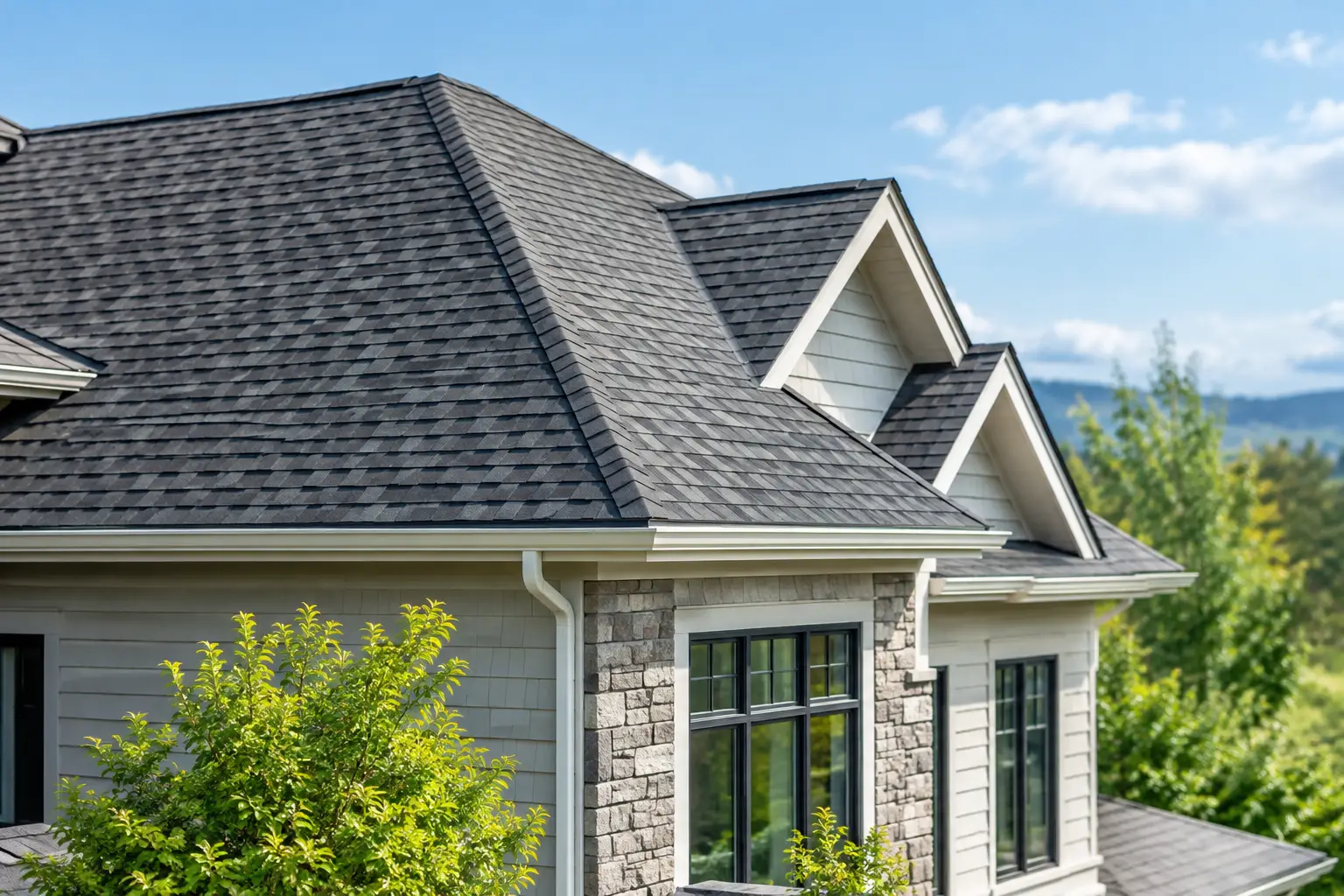
Best Architectural Roofing Shingles for Your Home

A roof can look fine from the driveway while its shingles are losing granules, lifting at the edges, or allowing water into the layers below. When it is time for replacement, homeowners often ask which product is the best. The honest answer is that the best architectural roofing shingles are the ones that fit your roof design, local weather exposure, budget, and installation needs - then are installed correctly from the deck up.
Architectural shingles are a strong choice for many Northern California homes because they offer more depth, durability, and wind resistance than basic three-tab shingles. They can also provide a more dimensional appearance without the cost or structural considerations of slate, tile, or some metal systems. But not every architectural shingle performs the same way, and the label on the package is only part of the decision.
What Makes Architectural Shingles Different?
Architectural shingles, also called dimensional or laminated shingles, are built with multiple layers of asphalt-coated material. That laminated construction gives each shingle more thickness and creates a textured appearance that can resemble wood shake or slate from the street.
Compared with traditional three-tab shingles, architectural products are generally heavier and more resistant to wind uplift. They also tend to have longer manufacturer warranty options and a wider range of color blends. Those are real advantages, but they do not mean every home needs the most expensive shingle in a product line.
A good roof is a complete system. The shingles are the visible layer, but underlayment, flashing, starter shingles, ridge cap shingles, attic ventilation, pipe boots, and deck condition all affect how the roof holds up. A premium shingle placed over damaged decking or poorly sealed flashing will not deliver premium results.
How to Choose the Best Architectural Roofing Shingles
The right choice starts with the conditions your roof faces. In Lake County and nearby areas, that can mean intense summer sun, seasonal rain, wind, falling branches, temperature swings, and wildfire-related concerns. A material that looks great on a sample board still needs to suit the property.
Start With Shingle Weight and Construction
In general, a thicker, heavier architectural shingle is more substantial than an entry-level laminated product. Heavier shingles often offer a richer appearance and may provide better resistance to wind and weathering. They can be a worthwhile upgrade for a long-term home or a roof with strong curb visibility.
Still, weight alone does not decide quality. The roof structure must be sound, and the product must be installed according to manufacturer specifications. A professional inspection can identify soft decking, sagging areas, damaged fascia, or other issues that should be addressed before new shingles go on.
Compare Wind Ratings for Your Exposure
Wind resistance matters most on exposed ridges, hilltop homes, open lots, and properties that regularly see strong gusts. Many architectural shingles have enhanced wind ratings when installed with the required number of nails, starter materials, and sealing method.
This is where workmanship matters every SHINGLE time. Correct nail placement is not a minor detail. Nails driven too high, too low, or too deep can reduce the shingle's ability to seal and resist uplift. Ask your contractor how the installation method supports the product's wind rating, especially if wind damage has affected your roof before.
Look at Algae Resistance, Not Just Color
Dark streaks on older roofs are often caused by algae. They do not always mean the roof is leaking, but they can make a roof look worn long before it reaches the end of its service life. Many architectural shingles include algae-resistant granules that help limit staining in suitable conditions.
Color also deserves more thought than homeowners expect. Darker shingles can create a bold, traditional look but may show dust and fading differently than lighter blends. Lighter colors can complement a warm-climate home and may be a practical choice in sunny locations. Take samples outside and view them against your siding, trim, stone, and gutters at different times of day.
Consider Impact Resistance Carefully
Some shingles are rated for impact resistance and may be a sensible option for homes with frequent falling branches or severe storm exposure. An impact rating can indicate improved resistance to hail or debris, but it is not a promise that no shingle will ever crack, scuff, or be damaged by a major branch.
Impact-resistant products also cost more. For many homeowners, investing that difference in quality underlayment, flashing replacement, ventilation improvements, or gutter work may deliver better overall value. The right allocation depends on the condition of the existing roof and the risks around the property.
Product Tiers: Where Value Usually Lives
Most major manufacturers offer architectural shingles in several tiers. Entry-level dimensional shingles are designed to be an affordable step up from three-tab roofing. Mid-range options commonly provide a better blend of thickness, color selection, wind performance, and long-term value. Premium designer shingles deliver a more dramatic look and can mimic higher-end materials, but they come with a higher material and labor cost.
For many homes, the mid-range category is the practical sweet spot. It offers a noticeable improvement in appearance and durability without paying for a designer profile that may not fit the home or neighborhood. If you plan to stay in the home for many years, a higher-tier product can make sense. If you are preparing a property for sale, a clean, properly installed mid-range roof may be the smarter investment.
Do not choose solely by the manufacturer warranty. A long limited warranty can be valuable, but it has terms, exclusions, registration requirements, and workmanship-related limitations. Read the warranty details and make sure you understand what is covered, who performs repairs, and what documentation you should keep.
Installation Details That Protect the Roof
The best shingle selection can fail early if critical details are skipped. During a roof replacement, the crew should inspect the roof deck after old materials are removed. Any compromised wood needs attention before the new roofing system is installed.
Proper underlayment is also essential. It provides a secondary layer of protection beneath the shingles and helps manage moisture during installation and throughout the roof's life. Vulnerable areas, including valleys, eaves, wall transitions, skylights, chimneys, and penetrations, require careful flashing and sealing work.
Ventilation should be evaluated as part of the project, not treated as an afterthought. Excess attic heat and trapped moisture can shorten shingle life, contribute to deck problems, and increase strain on your cooling system. The goal is balanced intake and exhaust ventilation suited to the home's layout.
A complete estimate should explain what is included: tear-off and disposal, deck inspection, underlayment, flashing, drip edge, pipe boots, ventilation components, ridge caps, cleanup, and permit handling where required. Clear scope prevents unpleasant surprises after work has started.
When Architectural Shingles May Not Be the Best Fit
Architectural shingles are versatile, but they are not the right answer for every roof. Flat and low-slope commercial roofs usually need a system designed for standing water and low-pitch drainage, such as TPO. Homes seeking maximum fire resistance, very long service life, or a specific contemporary style may be better served by metal roofing, depending on budget and roof design.
Roof pitch matters, too. Standard shingles are intended for slopes that meet manufacturer requirements. Installing them below the approved pitch can create a leak risk even when the shingles themselves are high quality. An honest contractor will recommend the system that fits the roof rather than forcing one material onto every project.
Make the Decision With a Roof Inspection
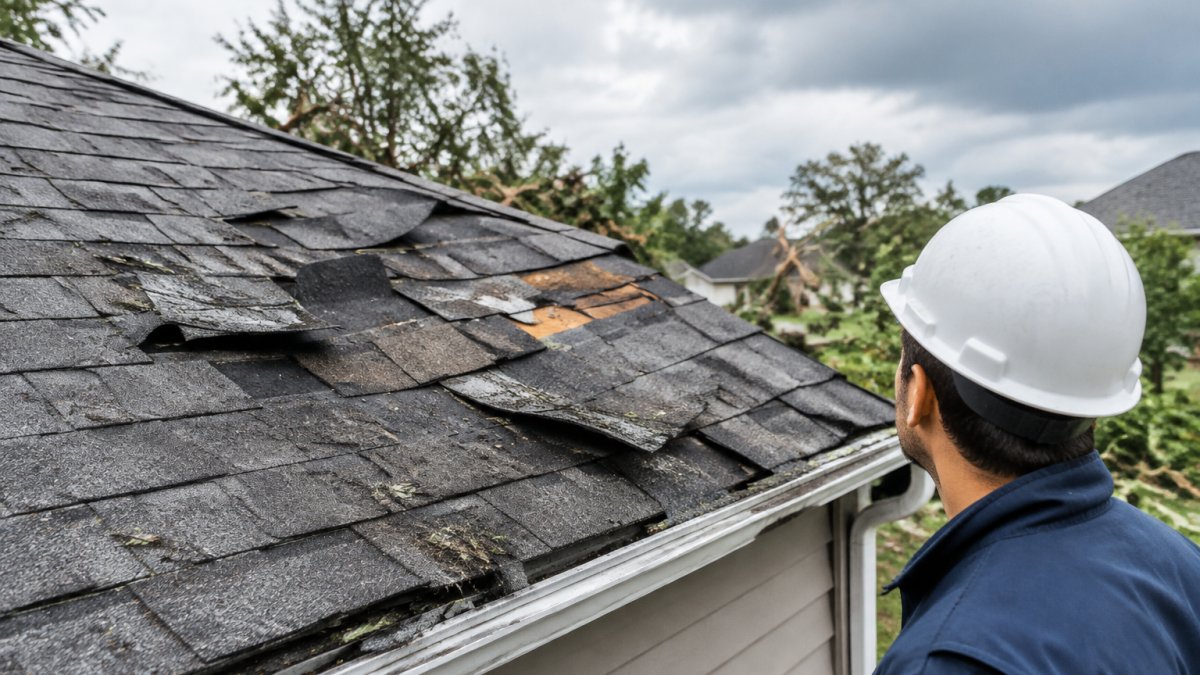
Before comparing colors and warranty brochures, start with a thorough inspection. Look for missing or curling shingles, exposed nail heads, granule loss, damaged flashing, brittle pipe boots, sagging roof areas, and signs of moisture inside the attic. If a repair can responsibly extend the roof's service life, that may be the right call. If the system is broadly worn, replacement is often more cost-effective than repeated spot repairs.
Hurtado's Roofing helps property owners evaluate the full roof system, explain material options plainly, and provide clear estimates for work that needs to be done. The goal is not to sell the most expensive shingle. It is to install a roof that protects the property, looks right on the home, and holds up through the seasons.
The best choice is one you can understand and trust: a shingle suited to your home, installed with attention to the details water and wind will find first.


Comments