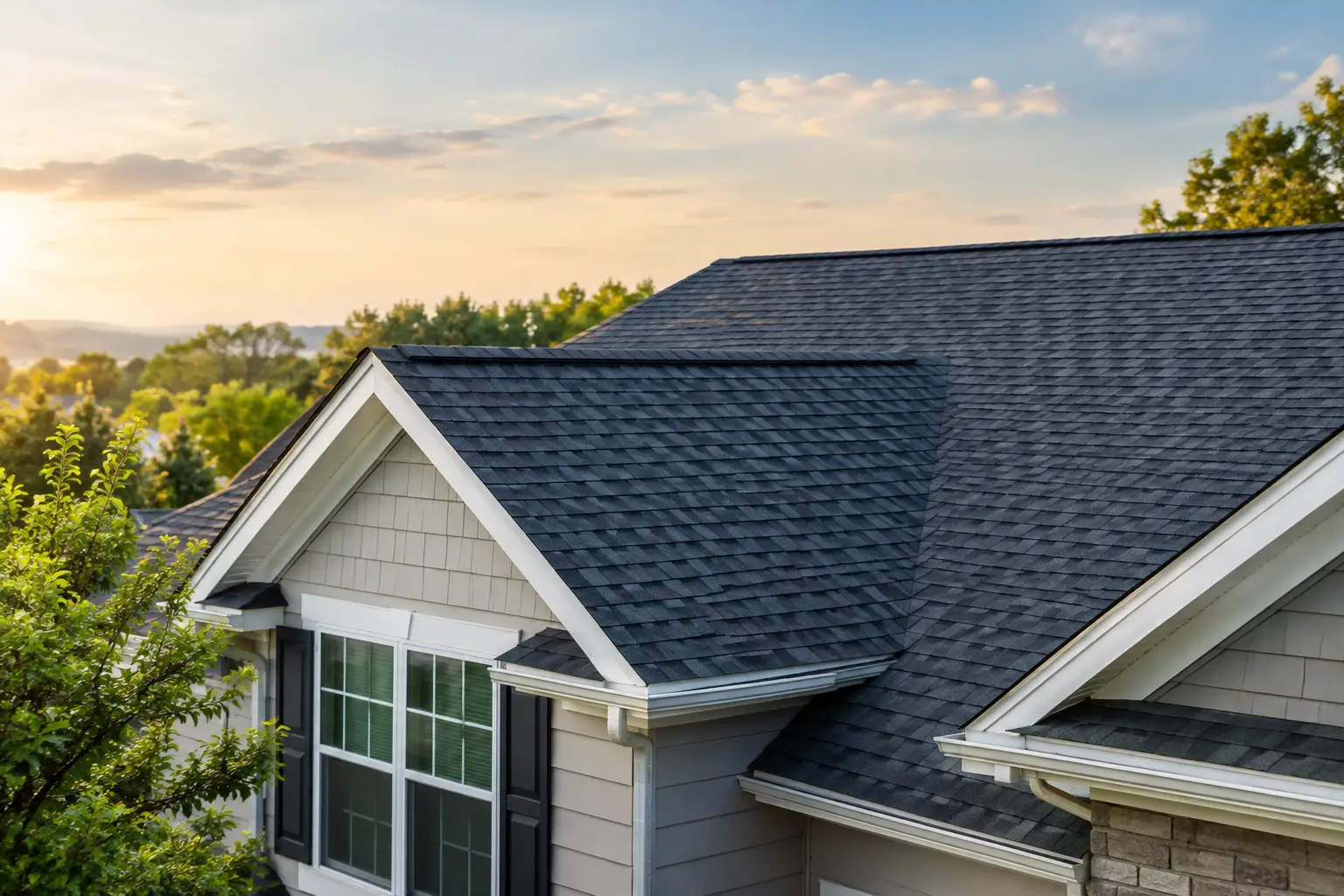
How Long Do Asphalt Shingle Roofs Really Last?

A roof can look acceptable from the driveway while problems are already developing beneath the shingles. So, how long do asphalt shingle roofs last? Most asphalt shingle roofs last about 15 to 30 years, but the real answer depends on the shingle type, installation quality, weather exposure, attic ventilation, and maintenance.
For homeowners, the goal is not simply to reach a number on a warranty brochure. It is to keep water out, protect the structure underneath, and plan replacement before small roof failures become interior damage. A qualified inspection can show whether your roof has useful life left or is beginning to cost more to maintain than it is worth.
How Long Do Asphalt Shingle Roofs Last on Average?
A standard three-tab asphalt shingle roof commonly lasts around 15 to 20 years. Architectural shingles, also called dimensional or laminated shingles, are thicker and generally last 20 to 30 years when installed correctly. Premium designer shingles may last longer, although no asphalt roof should be expected to perform at its best without proper ventilation, flashing, and routine upkeep.
Those ranges are estimates, not guarantees. A roof installed on a shaded home with poor attic airflow may age differently than the same product installed on an open, well-ventilated home. In Northern California, long periods of sun, seasonal wind, falling branches, and debris from nearby trees can all affect shingle condition.
The age of the roof is a useful starting point, but it should never be the only factor. A 12-year-old roof with widespread granule loss, failing pipe boots, and wind-lifted shingles may need more attention than a 20-year-old roof that has been properly maintained.
What Determines an Asphalt Shingle Roof's Lifespan?
The shingles are only one part of a roofing system. Underlayment, flashing, drip edge, ridge ventilation, decking, and fasteners all work together to manage water and heat. When one of these parts is installed poorly or begins to fail, the shingles can wear out sooner.
Shingle Quality and Design
Three-tab shingles are a practical option for some budgets, but they are thinner and more vulnerable to wind damage than architectural shingles. Architectural shingles have a layered appearance, stronger visual depth, and usually better durability. They are often a smart choice for homeowners who want a roof that improves curb appeal while offering a longer expected service life.
Even high-quality shingles have limits. A better product cannot compensate for weak decking, damaged flashing, or careless installation. The roof needs to be built as a complete system, every SHINGLE time.
Installation Workmanship
Correct installation has a direct impact on how long a roof lasts. Shingles need the right nail placement and fastening pattern. Valleys must be protected. Flashing around chimneys, walls, skylights, vents, and pipes needs careful attention because these transitions are common sources of leaks.
Shortcuts may not be obvious when a roof is new. They often show up later as slipped shingles, leaks around penetrations, or premature wear along roof edges. A licensed and insured contractor should inspect the existing roof deck and address damaged wood before installing new materials over it.
Sun, Wind, Rain, and Tree Debris
Asphalt shingles face constant exposure. Ultraviolet rays gradually dry the asphalt and contribute to granule loss. Wind can loosen tabs or lift shingles at ridges and edges. Rain can expose weak flashing or worn seals, while leaves and branches can trap moisture in valleys and gutters.
Homes under heavy tree cover face a different set of concerns. Shade may reduce direct heat, but it can also keep the roof damp longer after rain. Moss, algae, and accumulated debris can hold moisture against the roof surface. Trimming back overhanging limbs and keeping valleys clear helps reduce unnecessary wear.
Attic Ventilation and Moisture Control
A hot, poorly ventilated attic can shorten shingle life from underneath. Excess heat builds up below the roof deck, while trapped moisture may contribute to wood deterioration and mold concerns. During cooler weather, indoor moisture can condense in the attic if airflow is inadequate.
Proper intake and exhaust ventilation helps manage temperature and moisture. It is not an add-on to ignore during replacement. It is part of protecting the investment in a new roof.
Signs Your Asphalt Shingle Roof May Be Near the End
Roof age matters, but visible conditions matter more. A few isolated issues may be repairable. Widespread deterioration usually points toward replacement. Watch for these signs, especially after heavy rain or wind:
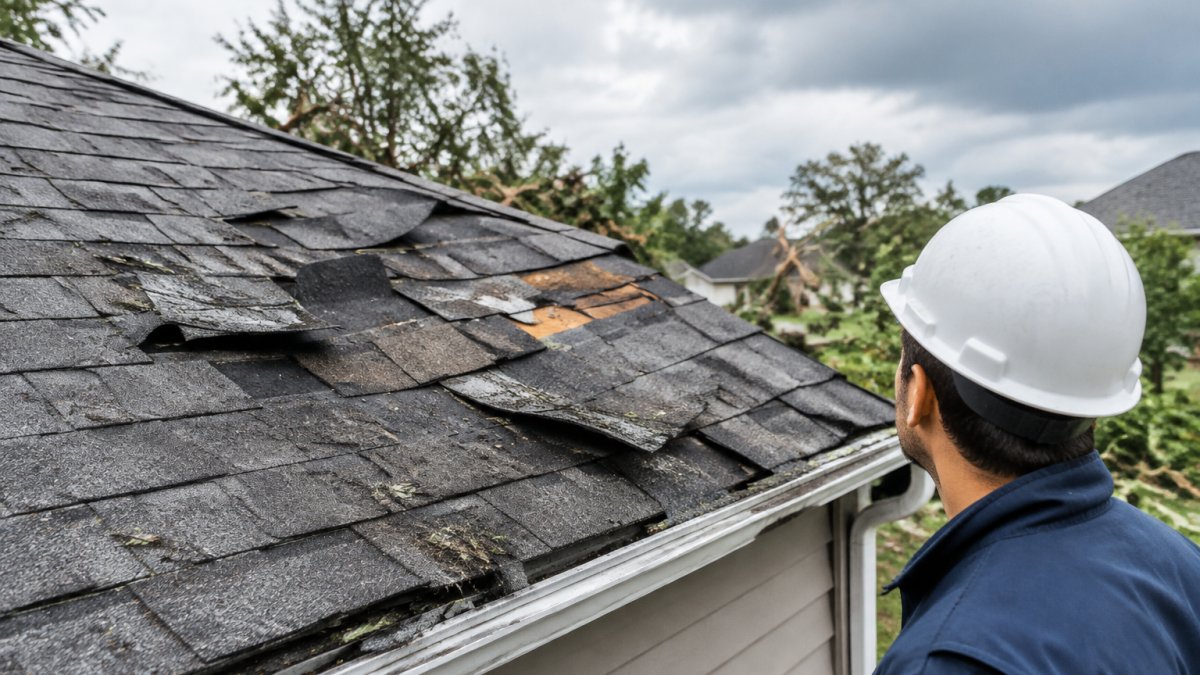
Curling, cracking, bald spots, or shingles that are missing altogether
Granules collecting in gutters or washing out at downspouts
Dark streaking, moss growth, or soft-looking areas that may hold moisture
Damaged flashing, cracked pipe boots, or rust around roof penetrations
Water stains on ceilings, damp attic insulation, or daylight visible through the roof deck
A leak does not always mean the entire roof has failed. Sometimes the cause is a localized flashing problem, exposed fastener, or damaged shingle section. On the other hand, repeatedly repairing a roof that has widespread wear can become an expensive cycle. An inspection helps separate a repairable issue from a roof that is nearing the end of its service life.
Can You Make Asphalt Shingles Last Longer?
You cannot stop a roof from aging, but consistent maintenance can help it reach a more reasonable lifespan. Start by keeping gutters and roof valleys clear so water can move off the roof as designed. Clogged gutters can cause water to back up along the roof edge and create problems with fascia, eaves, and foundations.
Inspect the roof after major storms, particularly if you notice branches on the ground or wind-blown debris around the home. From the ground, look for missing shingles, bent ridge caps, or pieces of flashing. Avoid walking on the roof unless you have the proper training and safety equipment. Foot traffic can damage aging shingles, and steep roofs create an unnecessary fall risk.
Schedule a professional roof inspection when the roof reaches the middle of its expected life, after a severe storm, or whenever you see signs of a leak. A contractor can check areas that homeowners cannot safely assess, including pipe boots, valleys, flashing details, attic ventilation, and soft decking.
Repair or Replace: Which Makes More Sense?
A roof repair can be the right decision when damage is limited and the surrounding shingles remain in good shape. Replacing a few blown-off shingles, resealing a flashing detail, or replacing a failed pipe boot can stop a leak without requiring a full replacement.
Replacement becomes more practical when repairs are happening in multiple areas, shingles are brittle or losing granules across the roof, or the roof is already near the end of its expected lifespan. If decking damage, ventilation problems, or old flashing are discovered, replacement also provides the opportunity to correct the full system rather than patching one symptom at a time.
When comparing estimates, ask what work is included beyond the shingles. A clear proposal should explain tear-off, deck repairs if needed, underlayment, flashing, ventilation, cleanup, and disposal. The lowest number is not always the best value if essential roofing details are omitted.
A dependable roof protects more than the rooms below it. It protects your structure, your belongings, and your ability to plan ahead without a surprise leak forcing the decision. If your shingles are aging or you are seeing warning signs, a straightforward inspection can give you a clear next step and the peace of mind to make the right call.


Comments