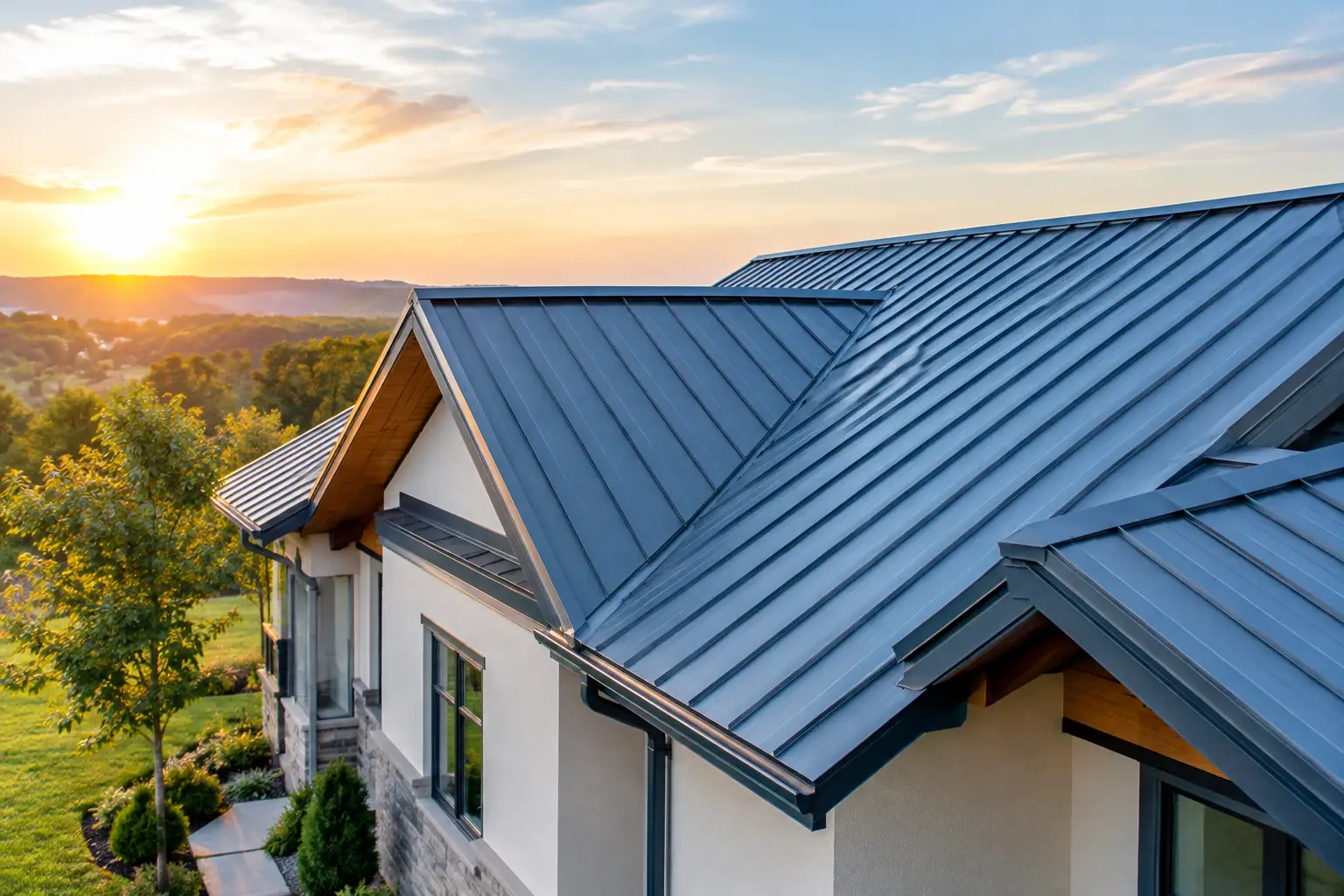
How Metal Roofing Installation Protects Your Home

A metal roof is only as dependable as the work underneath it. Metal roofing installation is not simply a matter of attaching panels to a roof deck. It requires careful measurements, sound preparation, properly installed underlayment, and detailed flashing around every area where water can find a way in.
For homeowners and property owners in Northern California, that level of care matters. A roof may need to stand up to hot summer sun, heavy seasonal rain, wind, falling branches, and years of temperature changes. The right metal system can provide long service life and a clean appearance, but only when the installation is planned for the building in front of us.
Start With the Roof, Not the Metal Panels
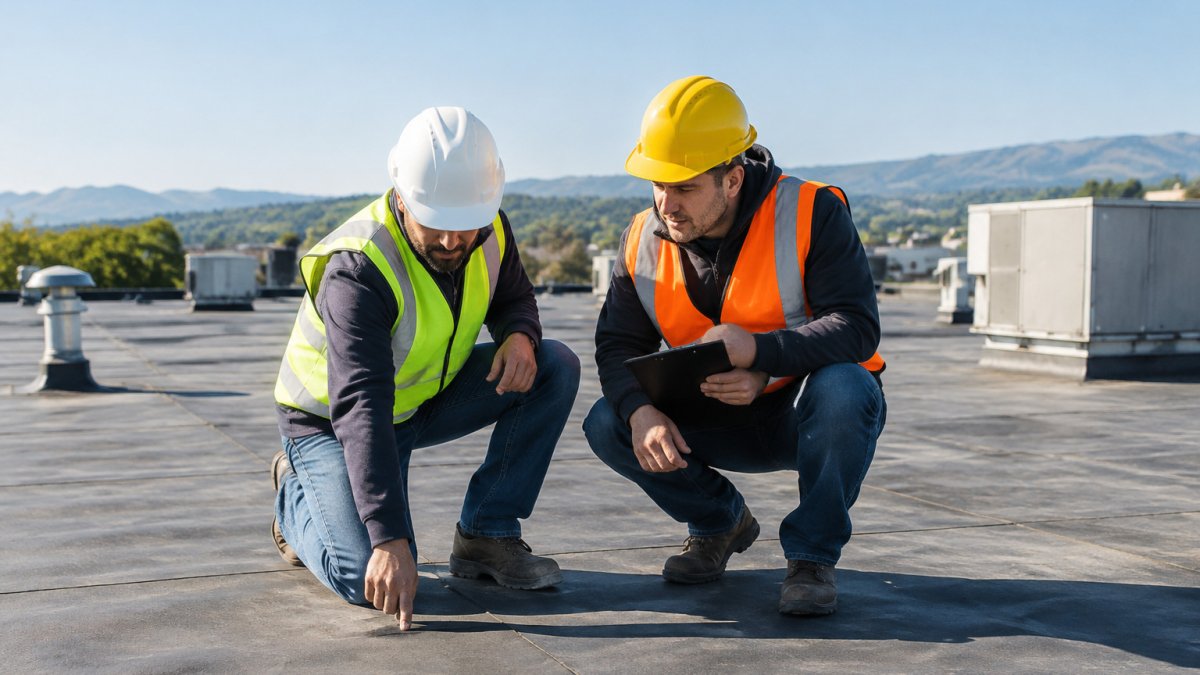
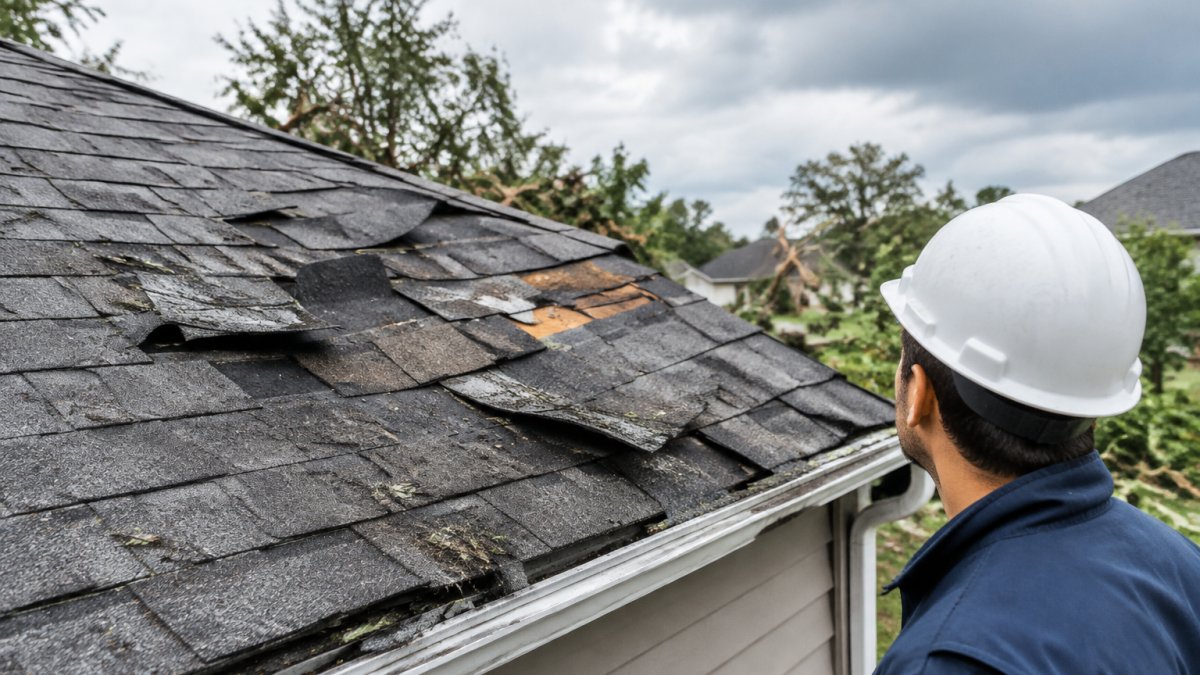
Before materials arrive, a qualified roofing contractor should inspect the existing roof structure. The deck needs to be solid, dry, and properly secured. Soft plywood, damaged fascia, sagging areas, or signs of trapped moisture should be addressed before the new roof covers them.
This is where shortcuts can create expensive problems later. Installing metal over a compromised deck may hide damage for a while, but it does not solve it. Water can continue moving through weak areas, and fasteners may not hold as intended. A proper inspection gives the homeowner a clear picture of what needs repair and why.
The roof design also affects the installation plan. A simple gable roof requires different planning than a roof with multiple valleys, skylights, chimneys, dormers, or low-slope transitions. Each penetration and change in roof direction needs a system for moving water away from vulnerable areas.
Choosing the Right Metal Roofing System
Not every metal roof is installed the same way. Exposed-fastener panels are a practical option for many homes, outbuildings, and certain commercial structures. The screws remain visible, making the panel layout and fastener placement especially important. Standing seam systems conceal the fasteners and offer a more refined appearance, but they typically require more detailed fabrication and installation.
The best fit depends on the roof slope, building style, budget, desired appearance, and long-term maintenance expectations. Color matters too, particularly in sunny areas where lighter finishes can help reflect more heat. Still, product selection should never be based on appearance alone. The panel profile, gauge, coating, trim package, and manufacturer requirements all need to work together.
A clear estimate should identify what system is being proposed and what is included. That means more than a square-foot price. It should account for tear-off, deck repairs if needed, underlayment, flashing, pipe boots, ridge details, disposal, and cleanup. Honest scope details help prevent surprises once work is underway.
What Proper Metal Roofing Installation Includes
A durable installation follows a sequence. First, the crew protects the property and removes the failed roofing materials when a tear-off is part of the scope. Removing an old roof allows the contractor to inspect the deck directly and correct hidden issues before they become trapped beneath the new system.
Next comes the moisture barrier. Underlayment provides a critical second line of defense beneath the panels. Depending on the roof design and material specifications, this may include synthetic underlayment, self-adhered protection in vulnerable areas, or other approved components. The goal is to manage moisture while supporting the metal roof system above it.
Panel placement must be square from the beginning. If the first course is off, the error can carry across the entire roof, creating uneven overhangs, awkward trim connections, and a finished appearance that looks careless. Accurate layout is one of those details that customers may not notice on day one, but it has a major effect on performance and curb appeal.
Fasteners also demand precision. They must be the correct type, installed in the right location, and driven to the proper depth. A screw that is under-driven can leave a gap. One that is over-driven can damage the washer or distort the panel. Neither is acceptable when the roof is expected to shed water year after year.
Flashing Is Where Craftsmanship Shows
Most roof leaks do not begin in the middle of a field of panels. They tend to occur around chimneys, walls, vents, valleys, skylights, and pipe penetrations. That is why flashing work deserves as much attention as the panels themselves.
A pipe boot needs to fit the pipe and roof profile correctly. Valley metal needs to direct water without creating places for debris to collect. Chimney flashing must be integrated with the roofing system, not simply sealed with a heavy bead of caulk. Sealants have a role, but they should support sound flashing details rather than replace them.
Ridge caps, gable trim, eave trim, and closures also serve a purpose beyond looks. These components help secure panel edges, control wind-driven rain, and keep insects or blowing debris out of the roof assembly. When trim is rushed or poorly fitted, the finished roof can look incomplete and perform below its potential.
Ventilation and Drainage Still Matter
Metal is durable, but it does not eliminate the need for attic ventilation or effective drainage. A hot, poorly ventilated attic can put unnecessary stress on the entire roof assembly. In some homes, ventilation improvements should be considered alongside the replacement project.
Gutters deserve attention as well. Metal panels shed water efficiently, which means rain can reach the eaves quickly during a storm. Properly sized and securely installed gutters and downspouts help move that water away from the home's foundation, walkways, and landscaping. If existing gutters are damaged, undersized, or pulling away from the fascia, this is often the right time to address them.
For homes surrounded by trees, keeping valleys, gutters, and roof edges clear is part of protecting the investment. Leaves and branches can hold moisture in place and restrict drainage. Regular maintenance gives you a chance to catch small issues before they turn into interior damage.
Should Metal Be Installed Over Existing Shingles?
In some situations, local code and roof conditions may allow metal roofing to be installed over an existing shingle roof. It can reduce tear-off debris and may lower part of the project cost. But it is not automatically the best choice.
A roof-over installation can make it harder to inspect the deck, correct hidden water damage, or resolve uneven roof surfaces. It may also add weight and affect flashing details at eaves, walls, and penetrations. When the existing roof has leaks, soft decking, multiple old layers, or visible wear, a full tear-off is generally the more responsible path.
The right answer depends on the building, the existing roofing system, local requirements, and what the inspection shows. A contractor should explain the trade-off plainly, not push one option without looking closely at the roof.
What to Expect From a Professional Crew
Good roofing work should feel organized from the first estimate through final cleanup. You should know when the crew is scheduled to arrive, what areas need to be cleared, how landscaping and access points will be protected, and what happens if the crew finds damaged decking after the old roof is removed.
During the project, noise and activity are unavoidable, but unnecessary disruption is not. A professional crew keeps materials organized, watches for nails and debris, and communicates when questions come up. At the end, the site should be cleaned thoroughly, and the finished roof should be checked for secure trim, clean lines, properly sealed penetrations, and complete debris removal.
Hurtado's Roofing approaches each project with that kind of accountability: show up, do the work right, and stand by the result every SHINGLE time.
A Roof That Earns Its Keep
Metal roofing can be a smart long-term investment, but the panels alone do not create a lasting roof. The details beneath, around, and between those panels determine whether the system protects your property the way it should.
Before committing to a project, ask for a thorough inspection and an estimate that explains the full scope of work. A well-installed metal roof should give you more than a new look from the street. It should give you confidence every time rain starts falling.

Comments