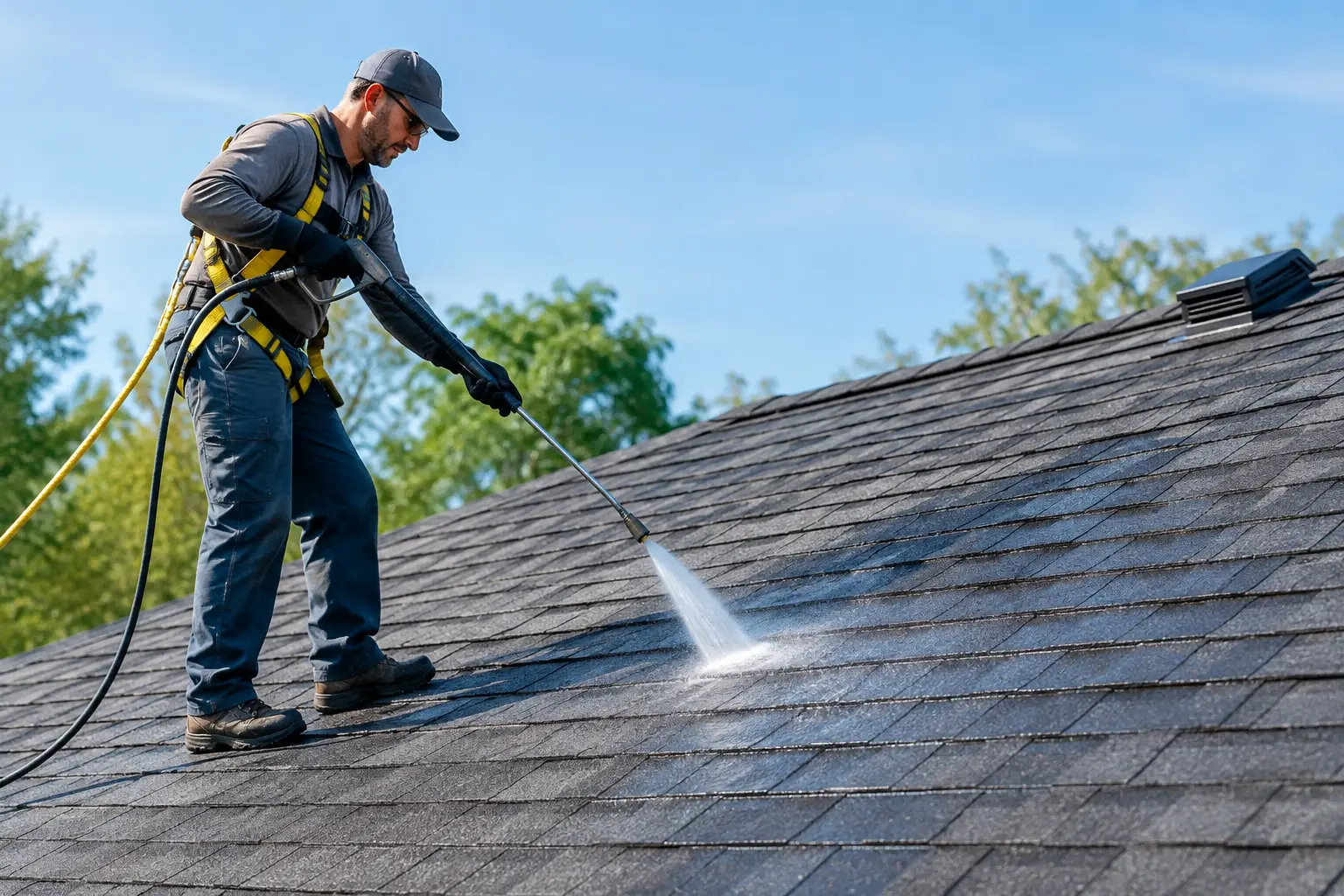
How to Clean an Asphalt Shingle Roof Safely

Dark roof streaks can make a sound roof look older than it is. In Northern California, shade, morning moisture, tree cover, and windblown debris often create the right conditions for algae, moss, and lichen to take hold. The question of how to clean asphalt shingle roof surfaces is not just about curb appeal - the wrong method can strip away protective granules, loosen shingles, or create a fall hazard.
A careful cleaning approach can improve the appearance of an asphalt shingle roof without shortening its service life. The key is to use low pressure, the right cleaning product, and good judgment about when the work belongs to a trained roofing professional.
First, Know What Is Growing on the Roof
Not every dark mark is the same. The long black streaks commonly seen on asphalt shingles are usually algae. It feeds on moisture and airborne material, then spreads in shaded areas and on roof slopes that dry slowly. Algae is usually a cosmetic issue at first, but it can hold moisture and make an aging roof look neglected.
Moss is thicker and more concerning. It grows in clumps, retains water, and can work beneath shingle edges as it expands. Lichen is the crusty, flat growth that bonds tightly to the shingle surface. Both moss and lichen need patience. Trying to scrape them off aggressively can pull granules from the shingle or damage the roofing surface.
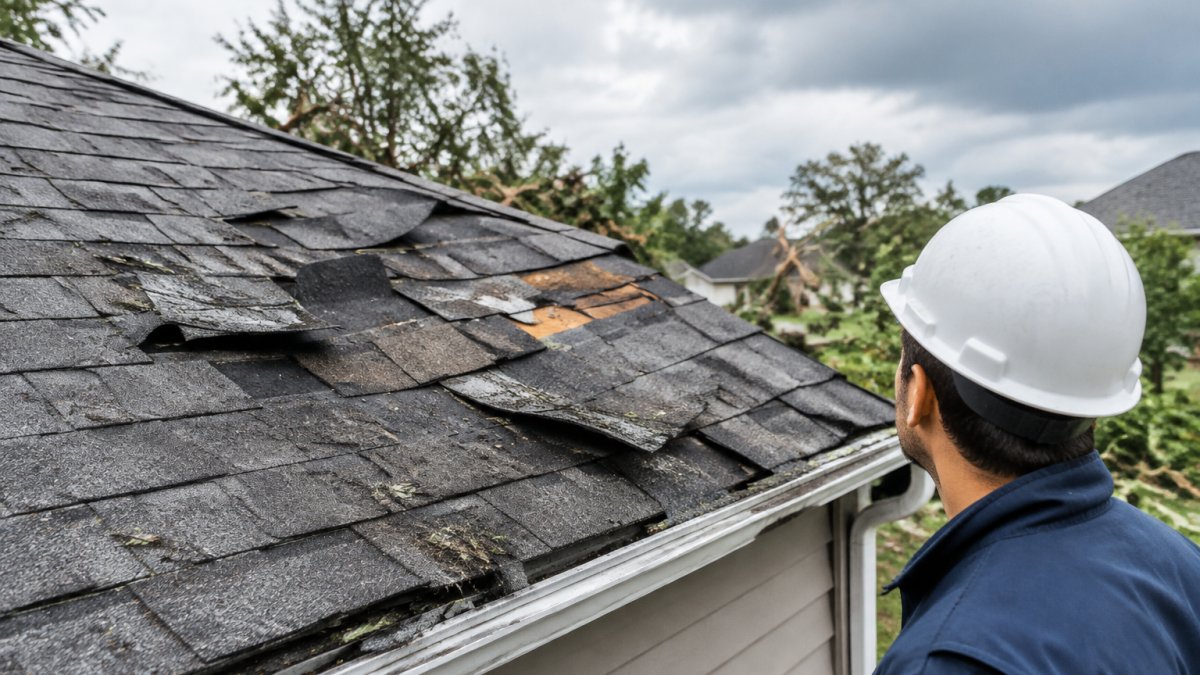
Before cleaning, look for missing tabs, curled shingles, exposed nail heads, cracked pipe boots, damaged flashing, soft roof decking, or active leaks. Cleaning will not fix a roofing problem. If the roof is already worn or damaged, an inspection should come before any treatment.
How to Clean an Asphalt Shingle Roof Without Damage
The safest general method is a low-pressure chemical treatment made for asphalt shingles, followed by time and weather. This is often called soft washing, but the word "washing" can be misleading. The goal is not to blast the roof clean. The goal is to treat the organic growth so it dies and gradually releases from the shingle surface.
Start by choosing a dry, mild day with little wind. Avoid working in extreme heat, during rain, or when the roof will remain wet for hours. Read the instructions for any roof-cleaning product and confirm it is intended for asphalt shingles. A professional-grade roof treatment or a manufacturer-approved cleaning solution is generally the better choice over a homemade mixture.
Protect the property below before applying anything. Saturate nearby landscaping with clean water, cover sensitive plants if appropriate, and make sure downspouts are directed away from areas where runoff could damage vegetation. Keep pets and children away from the work area. Chemical runoff is one reason roof cleaning deserves more planning than many homeowners expect.
Apply the cleaning solution with a garden sprayer or another low-pressure applicator. Work from the lower portion of the slope upward so the solution does not run across dry shingles too quickly. Apply enough to wet the affected areas, but do not flood the roof. Let the product sit for the amount of time specified on its label.
For light algae staining, the roof may look better quickly. Heavier staining, moss, and lichen often take several weeks to fade and loosen after treatment. That is normal. Rain and regular weathering will help remove dead growth over time without the need for harsh brushing.
Do Not Use a Pressure Washer
Pressure washing is one of the fastest ways to turn a roof-cleaning job into a roof-repair job. High-pressure water can remove the granules that protect asphalt shingles from sunlight, force water beneath laps, break the sealant bond between shingles, and damage flashing around chimneys, vents, and skylights.
Even a pressure washer set to a lower setting is risky in untrained hands. The water stream can still cut into aging shingles or drive water where it does not belong. If a cleaning company plans to use high pressure on an asphalt shingle roof, ask questions before agreeing to the work.
Avoid Scrubbing and Abrasive Tools
Wire brushes, stiff brooms, metal scrapers, and aggressive scrubbing are also poor choices. Asphalt shingles are designed to shed water, not to withstand abrasion. Once granules are knocked loose, they do not grow back.
If loose leaves, needles, or small branches need to be removed, use a leaf blower from a safe position or a soft-bristle tool with a very light touch. Always move debris downward, never upward beneath the shingle edges. Do not pry up shingles to pull out trapped material.
Roof Safety Comes Before a Cleaner Roof
A clean roof is never worth a serious injury. Shingles become slippery when wet, when covered with algae, or when cleaning solution is present. A roof that feels manageable from the ground can become dangerous once you are carrying equipment and working near an edge.
For a single-story home with a low slope, some owners may be able to apply treatment safely from a ladder, extension pole, or the ground. This depends on access, roof height, landscaping, and the location of the staining. Never overreach from a ladder, and do not lean a ladder against gutters that may bend or pull loose.
Steep roofs, second-story homes, roofs with heavy moss, and roofs showing signs of damage are jobs for professionals. Proper roof work includes stable ladder setup, fall protection, controlled application, and a close look at vulnerable components such as flashing, valleys, ridge caps, vents, and pipe boots.
Protect Gutters and Landscaping During Cleaning
Your gutters carry everything washed from the roof, including debris and cleaning solution. Clear leaves and buildup from gutters before treatment so water can flow freely. Check that downspouts are attached and draining away from the house foundation.
When cleaning chemicals are involved, thoroughly wet plants before, during, and after the process. Water dilutes any accidental overspray or runoff. Pay special attention to shrubs directly beneath eaves, garden beds, lawns, and containers near downspout outlets.
Do not mix cleaning products. Combining bleach-based products with ammonia, acids, or other household chemicals can create dangerous fumes. Wear gloves and eye protection, follow product directions exactly, and use only the amount needed for the affected area.
When Cleaning Is Not the Right Answer
A roof can be dirty and still be structurally sound. It can also look dirty because it is nearing the end of its service life. If shingles are losing granules across broad areas, curling at the edges, cracking, or repeatedly blowing off in wind, cleaning may improve appearance briefly but will not restore protection.
Moss that has grown deeply under shingle edges can also point to a larger maintenance concern. The same is true when debris has built up in valleys, water is overflowing gutters, or stains appear below roof penetrations. These conditions deserve an inspection, not a quick cosmetic treatment.
For property owners in Lake County and nearby communities, seasonal roof maintenance can prevent small drainage and debris issues from becoming expensive repairs. A professional inspection can identify whether cleaning makes sense, whether localized repairs are needed, or whether an older roof is better served by replacement planning.
Keep Stains From Returning So Quickly
Cleaning works best when the conditions that caused the growth are addressed. Trim branches that keep the roof shaded or drop needles and leaves onto the shingles. Keep gutters clear so water does not back up at the roof edge. After storms, check for fallen limbs and debris collecting in valleys.
Some homeowners choose algae-resistant shingles when it is time for roof replacement. These shingles are designed with protective granules that help limit algae growth. They are not maintenance-free, but they can keep dark streaks from returning as quickly in damp or shaded locations.
A clean roof should still be inspected regularly. Look from the ground after major weather, and schedule professional help when you see loose materials, persistent moss, damaged flashing, or staining that does not respond to a safe treatment. At Hurtado's Roofing, the practical approach is simple: protect the shingles, address the cause of the problem, and do the work right every SHINGLE time.


Comments