Why Asphalt Shingle Roofing Requires an Underlayment

A new shingle roof can look finished in a single afternoon, but the layer that often determines how it performs is mostly hidden. Asphalt shingle roofing requires an underlayment because shingles are designed to shed the bulk of rainwater, not serve as the roof’s only line of defense. That secondary layer helps protect the roof deck when wind-driven rain, backed-up water, or a damaged shingle creates an opening.
For homeowners, this is not a small technical detail. Underlayment affects leak resistance, roof longevity, manufacturer requirements, and the quality of a replacement job. A roof should be built as a complete system - from the deck and flashing to the underlayment, shingles, ventilation, and ridge caps. Skipping steps to save money can create expensive problems long before the shingles reach the end of their expected service life.
What Underlayment Does Beneath Asphalt Shingles
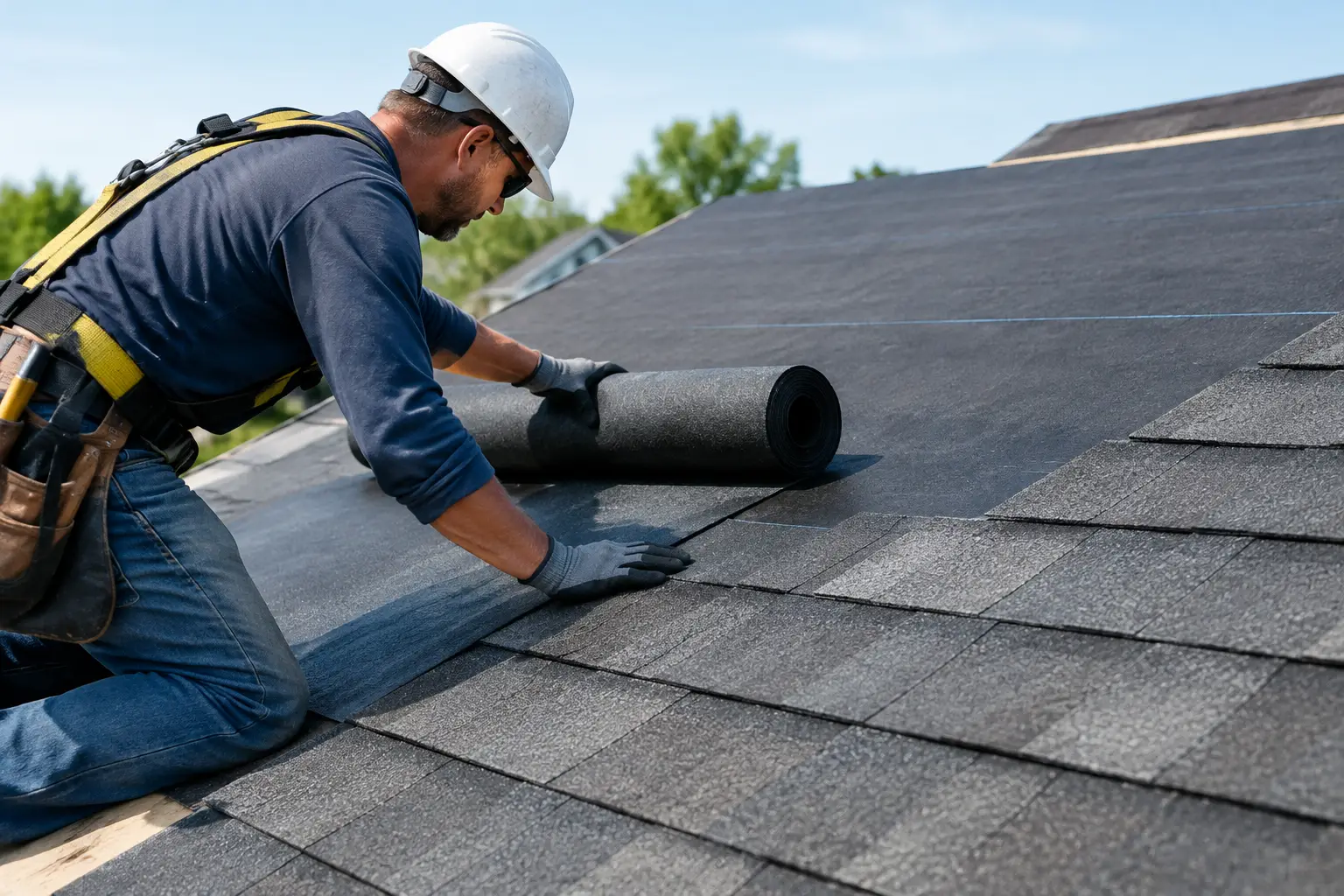
Underlayment is a water-resistant or waterproof material installed directly over the roof deck before shingles go on. It acts as a backup barrier between the wood decking and the weather outside. When installed correctly, it helps direct incidental moisture down and off the roof instead of allowing it to soak into the deck.
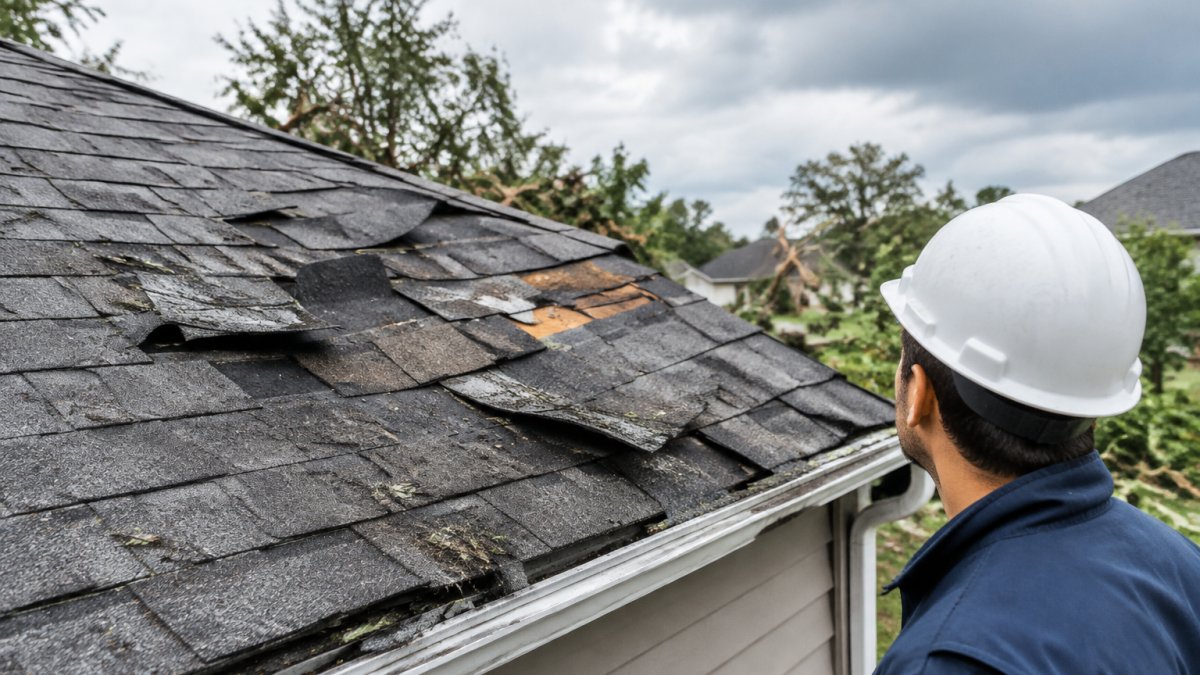
Shingles overlap in courses, which is effective for normal rain flowing down a properly pitched roof. But storms do not always behave normally. High winds can push rain sideways or upward beneath shingle edges. A branch can crack a shingle. Fasteners can be exposed after wind damage. In each case, underlayment gives the roof deck another layer of protection while the issue is repaired.
It also protects the deck during installation. If weather moves in before the shingle installation is complete, properly installed underlayment can offer temporary coverage. It is not meant to be left exposed indefinitely, but it provides a practical safeguard during the roofing process.
Why Asphalt Shingle Roofing Requires an Underlayment
The short answer is protection. The more complete answer is that underlayment supports the entire roofing system in ways shingles alone cannot.
First, it limits water intrusion at vulnerable points. Roof valleys, penetrations for pipes or vents, transitions, and areas near flashing all experience concentrated water flow or more complex detailing. Underlayment helps manage the moisture that can get past the outer shingle layer in these locations.
Second, it protects the roof deck. Plywood and oriented strand board decking can deteriorate when repeatedly exposed to moisture. Once decking begins to swell, soften, or rot, shingles may no longer lie flat or hold fasteners as intended. What starts as a minor leak can turn into replacement of decking, insulation, drywall, and interior finishes.
Third, it can be part of meeting applicable building requirements and roofing manufacturer instructions. The exact requirements depend on the roof design, materials, local code, and manufacturer specifications. A qualified contractor reviews these details before installation instead of treating every roof the same.
Finally, underlayment adds a measure of protection when shingles age. Even well-installed architectural shingles eventually experience years of sun exposure, seasonal temperature swings, rain, and wind. The underlayment is not a substitute for timely roof replacement, but it provides meaningful backup throughout the life of the roof.
The Main Types of Roofing Underlayment
Not all underlayment performs the same way. The right choice depends on roof slope, weather exposure, the shingle system, budget, and the manufacturer’s requirements.
Asphalt-Saturated Felt
Traditional felt underlayment has been used under shingles for decades. It is familiar, cost-effective, and can perform well when installed correctly. It is available in different weights, with heavier options generally offering greater durability.
Felt has trade-offs. It can absorb moisture, wrinkle when wet, and tear more easily than many synthetic products. On a simple roof with appropriate installation conditions, it may be a reasonable option. On a roof with complicated details or greater exposure to wind and moisture, a contractor may recommend a different material.
Synthetic Underlayment
Synthetic underlayment is commonly used for modern asphalt shingle installations. It is typically lighter, stronger, and more resistant to tearing than felt. Many products also provide better traction for installers and tolerate short periods of weather exposure more reliably during a project.
Quality varies by product, so the label alone is not enough. The material must be compatible with the shingle system, installed with the correct fasteners and overlap, and covered within the manufacturer’s allowed exposure period. Good materials still depend on good workmanship.
Self-Adhered Membrane
Self-adhered waterproof membrane, often called ice and water shield, is used in high-risk areas rather than necessarily across the entire roof. It adheres directly to the deck and seals around fasteners, offering stronger protection where water is most likely to collect or work its way beneath shingles.
Valleys, eaves, rakes, roof-to-wall transitions, skylights, chimneys, and pipe penetrations may require this type of protection depending on the roof layout and local conditions. It costs more than standard underlayment, but using it in the right locations can prevent some of the most common leak paths.
Installation Details Matter as Much as the Material
A roof can have premium shingles and still fail early if the layers beneath are installed carelessly. Underlayment needs correct overlap so water flows over each course rather than behind it. It needs appropriate fastening so wind does not lift it before or after shingle installation. It also must lay flat without gaps, tears, or poorly sealed seams.
The roof deck should be inspected before underlayment goes down. Damaged, soft, delaminated, or uneven decking should be repaired or replaced first. Covering compromised wood may make the roof look complete for a while, but it does not solve the structural problem beneath it.
Flashing is equally important. Underlayment works with metal flashing at walls, chimneys, valleys, vents, and other transitions. These components must be layered in the proper order to guide water out onto the roof surface. Caulk alone is not a long-term flashing strategy.
Ventilation also deserves attention during a roof replacement. Excess heat and moisture in an attic can shorten shingle life and contribute to condensation problems. Underlayment cannot correct poor ventilation, just as ventilation cannot compensate for failed flashing. Each part has a job to do.
When Existing Underlayment May Be a Concern
Homeowners usually cannot see the underlayment without lifting shingles, but certain warning signs suggest it is time for a professional inspection. Ceiling stains, recurring leaks after storms, loose or missing shingles, soft areas on the roof, and visible deck sagging all deserve prompt attention.
A roof can also have hidden trouble after wind damage or fallen branches, even when only a few shingles appear affected. Water may have reached the underlayment or decking through an opening that is no longer obvious from the ground. Localized repairs can often address a limited issue, but the right solution depends on the roof’s age, overall condition, and the extent of moisture damage.
If a roof is near the end of its life, repeatedly patching leaks may not be the best value. A complete replacement allows the contractor to inspect the deck, replace failed components, install the right underlayment, and rebuild the roofing system with consistent materials and proper detailing.
Questions to Ask Before a Roof Replacement
A clear estimate should explain more than the shingle color and price. Ask what type of underlayment will be installed, whether self-adhered membrane is included in valleys and around penetrations, and how damaged decking will be handled if it is discovered after tear-off.
It is also reasonable to ask about flashing, pipe boots, ventilation, cleanup, and the manufacturer’s installation requirements. A dependable roofing contractor should be able to explain the scope in plain language and identify any conditions that could change the final cost before work begins whenever possible.
For property owners in Lake County and surrounding Northern California communities, weather exposure and roof design can vary from one property to the next. A careful inspection is better than a one-size-fits-all recommendation. Hurtado's Roofing approaches replacements with that in mind: inspect the full system, explain the work clearly, and install every layer correctly - every SHINGLE time.
The best underlayment is not simply the most expensive product. It is the material that fits the roof system, is installed according to specifications, and is supported by sound decking, proper flashing, and quality shingles. When those layers work together, the protection you cannot see becomes one of the reasons your roof holds up when it matters most.


Comments